The Business of Timelessness: How a Fine Jewelry Manufacturer US Partner Keeps Luxury Relevant
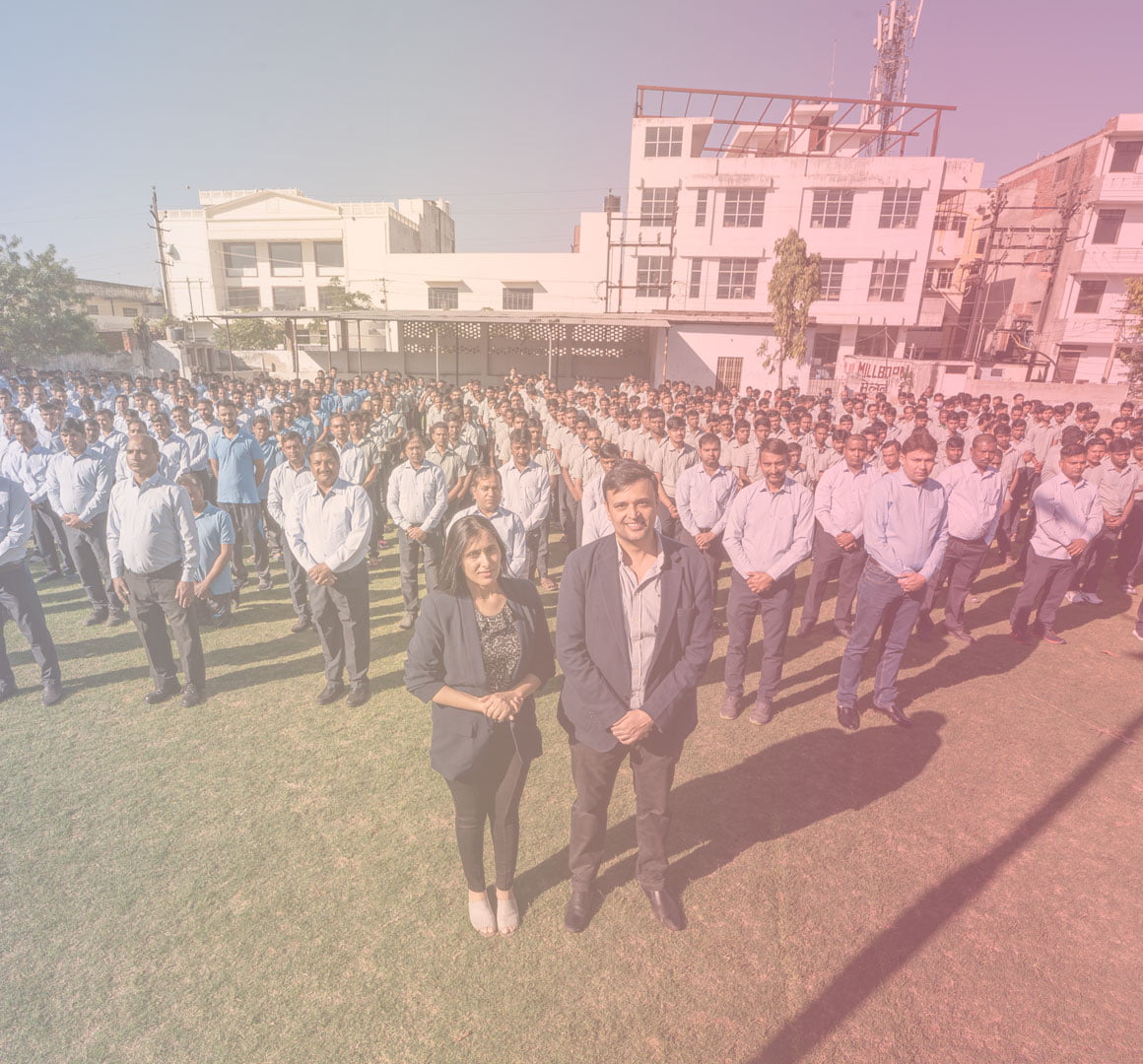
Even in a world of micro‑trends and endless drops, fine jewelry still sets the tone for what “real” luxury feels like. The pieces people save up for, inherit, insure and tell stories about almost always come from a Fine Jewelry Manufacturer that treats metal, stones and time with a different kind of seriousness. In the US, that space is evolving fast—customers are more informed, more values‑driven and more design‑aware—yet fine jewelry keeps its status because it adapts without abandoning its core: craft, longevity and emotion. Sitting behind many of the brands navigating this shift are production partners like Essentials Jewelry in Jaipur, India, which operates two factories, employs 600+ craftsmen and manufactures for over 400 designers and retailers in 30 countries, including the United States. Essentials may be geographically distant, but in practice it acts as a quiet Fine Jewelry Manufacturer US ally, translating American brands’ design language and customer expectations into pieces that can live in someone’s life for decades, not just seasons.
How Fine Jewelry Manufacturer US Brands Continue to Shape the Meaning of Luxury
Luxury in the US used to be defined almost entirely by visibility—bigger stones, louder logos, instantly recognisable settings. That’s still part of the picture, but the brands working closely with a Fine Jewelry Manufacturer US partner are pushing a different definition: quieter silhouettes, better materials, stronger stories. Market reports show the US jewellry sector growing steadily, with sales up around 5–6% in 2025 despite pressure from inflation and shifting consumer priorities, and a significant share of that resilience is driven by fine pieces that people see as long‑term value rather than impulse purchases. Essentials Jewelry’s clients in New York and other US hubs increasingly brief collections around “lived‑in luxury”—rings, earrings and chains that can move from office to weekend to black‑tie without ever feeling out of place—and the factories in Jaipur respond by obsessing over proportion, comfort and finishing instead of just raw carat numbers. Interestingly, you can see fine jewelry’s influence even in corners that sit technically outside the category. When a label briefs a tennis jewelry manufacturer to engineer delicate line bracelets or necklaces, or asks its fine‑jewelry factory to create a slim row of stones for everyday wear, what they really want is a fine‑grade interpretation of a classic silhouette that has started showing up everywhere from red carpets to running errands. Fine makers effectively set the standard everyone else follows; when they elevate a form, the whole market eventually shifts around it.
Why Fine Jewelry Manufacturers Are Seen as Guardians of Craft and Heritage
You don’t have to be particularly sentimental to understand why people care who actually made their fine pieces. The global conversation around craftsmanship has grown louder, with major luxury houses openly investing in training programs and ateliers to preserve specialist skills—from gold sculpting to setting and polishing—that are at risk in an increasingly automated world. Articles on craftsmanship consistently frame fine jewellers as guardians of techniques that take years to learn and decades to master, noting that great pieces are “a conversation between past and present” rather than a quick design executed by machines. Essentials Jewelry is very much built around that philosophy. Factory 1 in Jaipur is dedicated to stone manufacturing and handmade work, handling everything from unusual cuts to intricate pavé and micro‑prong settings; Factory 2 is a certified green unit for brands and designers, equipped with German casting machinery, laser soldering and plating labs to ensure precision and consistency at scale. When a US brand sends over a CAD file, the team doesn’t just check whether it will “work” technically; experienced bench jewellers run through how it will feel on a finger, how claws will age with wear, and how the design ties into a lineage of classic forms rather than fighting it. That’s why serious labels still treat their fine jewelry partners as part of their cultural capital: they’re not just buying capacity, they’re borrowing heritage. It’s also where the lines blur with other production specialisms. A house that already trusts Essentials as its handmade jewelry manufacturer for certain artisanal capsules can confidently evolve those techniques into full fine collections, knowing the same hands and eyes are behind both.
What Makes Fine Jewelry Manufacturers US More Resilient Than Trend‑Driven Categories
Trend‑driven luxury—whether it’s logo‑heavy accessories or viral‑for‑a‑season designs—can generate explosive sales, but it is also brutally cyclical. Fine Jewelry Manufacturers, by contrast, operate on a much longer rhythm. Industry analysis keeps coming back to the same point: well‑crafted, timeless fine jewelry tends to hold demand and emotional relevance even when other categories cool, which is why it remains a core pillar for both heritage maisons and newer brands that want to signal seriousness. Part of that resilience comes from how fine jewelry incorporates innovation without letting it dictate the entire offer. Lab‑grown diamonds are the clearest example in the US: in the past five years, lab‑grown has gone from niche to mainstream, appearing in roughly 45% of American engagement rings and seeing its jewelry market share grow by more than 700% over that period. Fine Jewelry Manufacturers US–facing partners like Essentials have absorbed that shift by refining setting techniques, metal weights and supply chains specifically for lab‑grown stones, allowing brands to offer ethical, more affordable options without compromising on the kind of meticulous build that customers expect at the fine tier. At the same time, they’re quietly experimenting with other materials and cuts—coloured centres, mixed‑shape halos, non‑traditional eternity designs—so collections feel current without being enslaved to short‑term aesthetics. For American brands watching trend cycles spin faster every year, having a manufacturing partner whose default is “will this still make sense ten years from now?” is a huge stabilising force. And while demi fine jewelry manufacturer collaborations are booming as a bridge between fashion and heirloom, it’s instructive that many of the best demi‑fine pieces are engineered by teams who cut their teeth in fine—borrowing construction logic from classic settings even when the materials themselves sit at a lower price point. The fine side is still where the deepest structural knowledge lives.
How a Fine Jewelry Manufacturer Helps Brands Create Pieces With Lasting Emotional Value
Almost every fine piece that genuinely matters to someone is tethered to a story: a proposal, a promotion, a new chapter, a goodbye. A good Fine Jewelry Manufacturer understands that emotional load and designs for it—choosing structures, profiles and details that can carry repeated wear, resizing, and even re‑setting over decades. That’s why you see so much emphasis in craft‑focused writing on repeatable quality, comfort and harmony of proportions; they’re not just aesthetic preferences, they’re what make it possible for a ring or pendant to stay in someone’s life long enough to gather meaning. Essentials Jewelry’s work with US brands leans heavily into that idea of “future proofing” emotion. The team encourages designers to think about how a piece might be passed on or adapted—could a halo be re‑set later, can a band be stacked or worn solo, is there room for engraving—then builds that flexibility into the metal from day one. This is especially relevant for collections explicitly aimed at milestones; a manufacturer that treats those as long‑term commitments rather than quick wins is more likely to protect a brand’s reputation when customers look back in ten or twenty years. It’s also where the boundary with personalisation blurs. When Essentials helps a label design chains and pendants with engraving zones, add‑on charms or interchangeable drops, it’s effectively giving them a personalised jewelry toolkit they can offer at the fine tier—small shifts that let a customer mark specific dates, initials or symbols without compromising the underlying integrity of the piece. That’s very different to quick‑print customisation; it’s personalisation built on a fine‑jewelry chassis.
Why Consumers Continue to Invest in Collections Developed by Fine Jewelry Manufacturers
Despite all the talk about younger generations moving away from “stuff”, when you look at where they’re willing to spend, fine jewelry still shows up near the top of the list, especially in the US. Research on lab‑grown adoption describes a market where Millennials and Gen Z are happy to rethink materials but still deeply value the idea of a well‑made ring, bracelet or pendant that will last decades. They’re simply more selective: instead of multiple lower‑quality pieces, they’d rather save for fewer, better‑built items from brands they trust. Collections developed in close partnership with Fine Jewelry Manufacturers benefit from that selectiveness. Customers might not know the factory’s name, but they notice when claws don’t snag, when pavé doesn’t shed stones, when a clasp has that reassuring “click”. Over time, those tactile experiences build trust far more effectively than slogans. Essentials’ two‑factory, 7,000‑pieces‑per‑day set‑up is designed to deliver exactly that consistency, combining German casting machinery, laser welding and stone labs so that every unit in a run feels like it came off the bench of the same meticulous maker. Fine manufacturers also give brands room to play across price ladders without diluting this trust. A house might anchor its image in high‑karat gold jewelry but translate some of its signatures into more accessible lines—sterling, vermeil, small stones—for younger buyers. When the same partner handles those translations, they can ensure that even the “entry” pieces carry a pleasing weight, clean finishing and a recognisable design language. And yes, there’s still a place for more expressive categories. Many brands use fashion jewelry drops to test silhouettes or bolder concepts, then bring the most successful ideas into fine once they’ve proven their appeal. But when a customer decides to commit real money and emotion, they almost always circle back to pieces built by the fine‑jewelry side of the business.
How Fine Jewelry Manufacturer US Partnerships Support Premium Brand Storytelling
In 2026, it’s not enough for a brand to say “we make pretty things” and call it storytelling. Buyers want to know how pieces are made, who is making them, and whether those processes align with their values around ethics and sustainability. A strong Fine Jewelry Manufacturer US partnership gives brands concrete, defensible chapters for that story: audited facilities, traceable materials, training programmes, responsible water and energy use. Essentials Jewelry, for instance, operates a certified green factory in Jaipur with solar energy, wastewater treatment and documented compliance frameworks, and positions itself explicitly as a sustainable & ethical jewelry partner for global clients. When a US brand works with them, it doesn’t just get a supply of pieces; it gets a narrative about low‑impact manufacturing and long‑term craft preservation it can share with increasingly sceptical audiences. In a market where lab grown gemstones and lab grown diamonds are gaining favour precisely because they promise a more transparent, lower‑impact alternative, being able to plug those stones into an equally thoughtful production environment is a huge storytelling advantage. These partnerships also make it easier to explain the difference between tiers in a brand’s own world. A customer who encounters a label’s sterling or brass jewelry first might later discover that the same team also produces more elevated lines with Essentials behind them, and suddenly the brand’s entire ladder—from entry to high fine—feels more coherent. Add in the quiet fact that Essentials built its reputation as a moissanite jewelry and gemstone specialist for some clients before expanding into broader fine, and you get another chapter: a partner that understands sparkle, engineering and evolving notions of value from multiple angles, not just one. In the end, that’s what keeps fine jewelry at the centre of the luxury conversation. Trends will keep spinning, materials will keep evolving, but as long as there are manufacturers whose default language is precision, patience and heritage, there will be customers willing to invest in pieces that feel like more than just an algorithm‑approved accessory. Fine Jewelry Manufacturers US partners like Essentials Jewelry might spend most of their time far from the spotlight, but they’re one of the main reasons those pieces still exist to be coveted, gifted and eventually passed on.