
Award-Winning ODM & OEM Jewellery Manufacturer for Australian Brands
Partnering with Brands & Designers Since 1999, Awarded for our exceptional quality & on time delivery.



Our Sustainability Promise
Crafting a Greener Future with Sustainable and Ethical handcrafted Jewelry

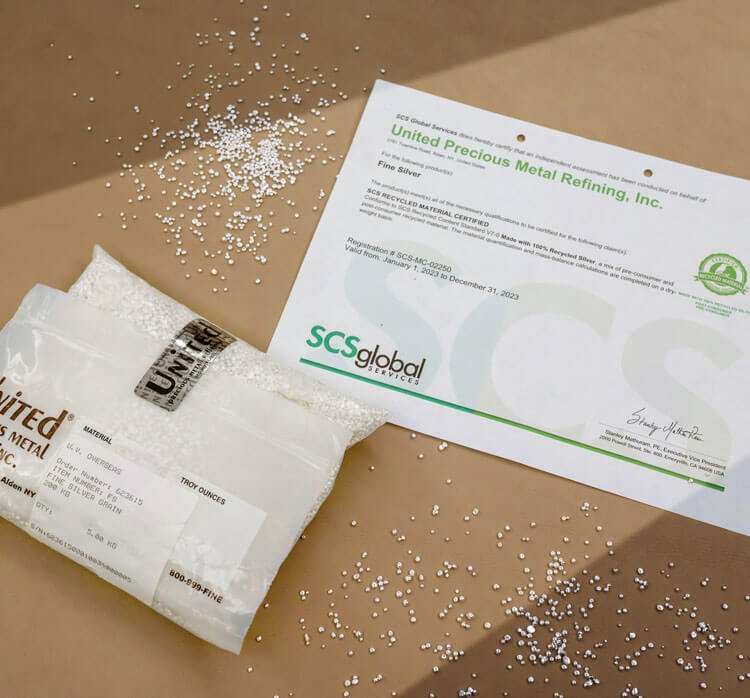
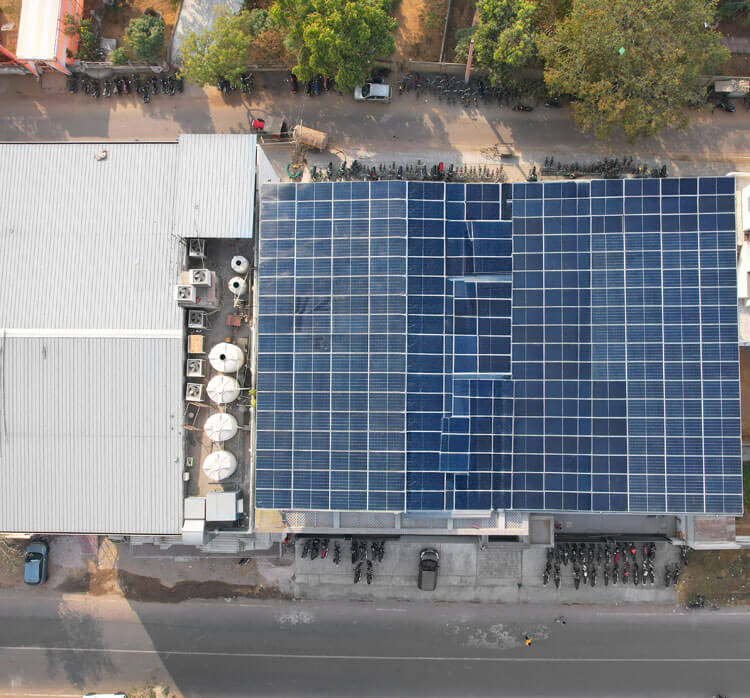
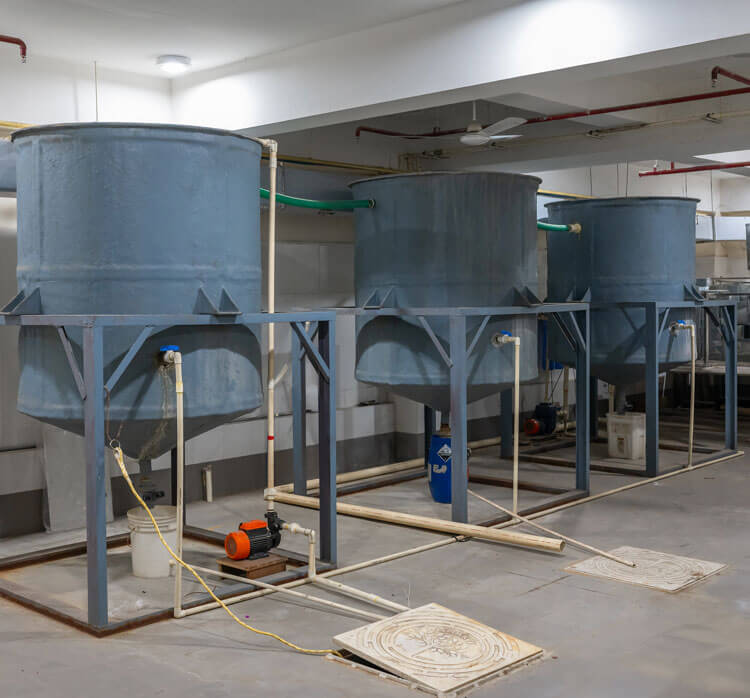

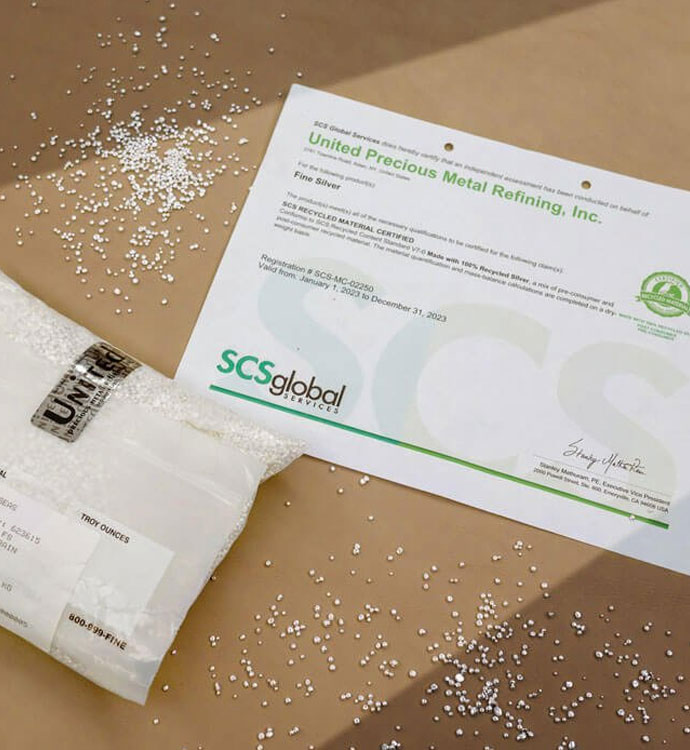
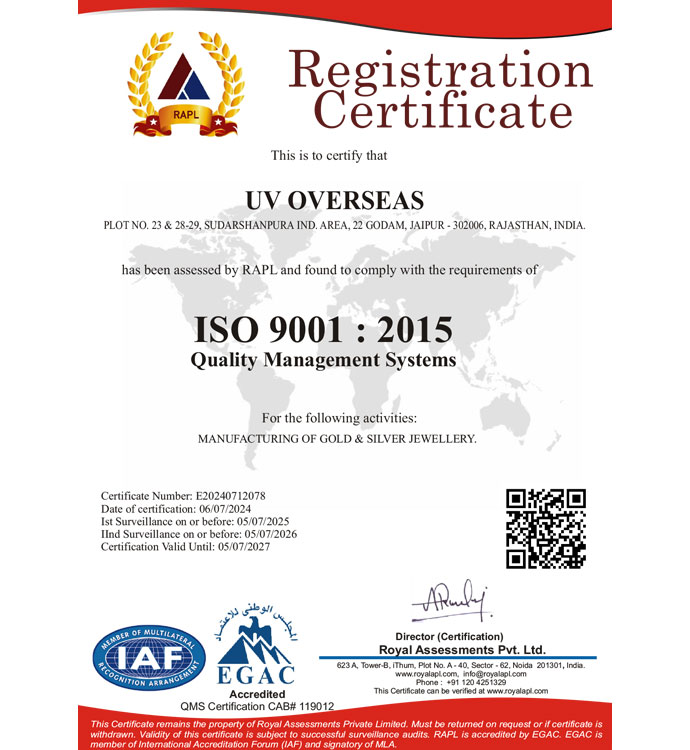
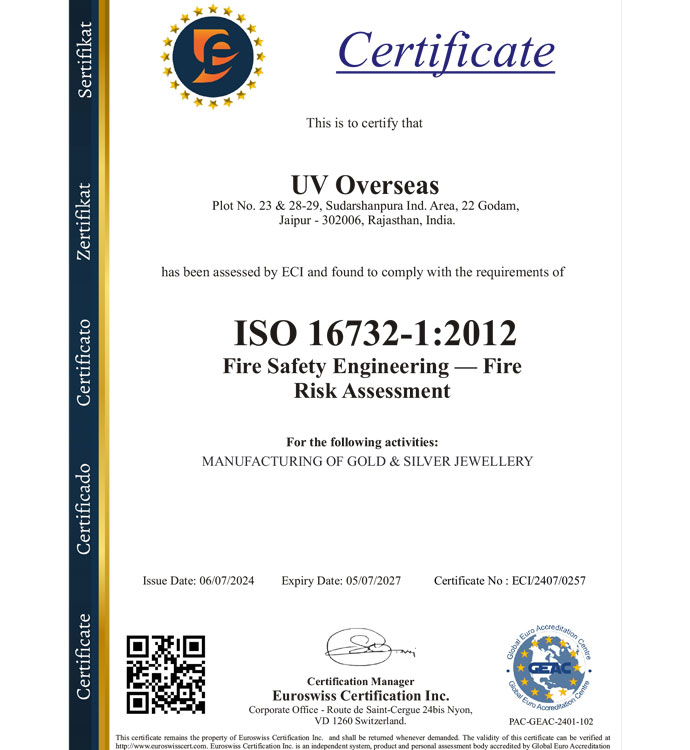
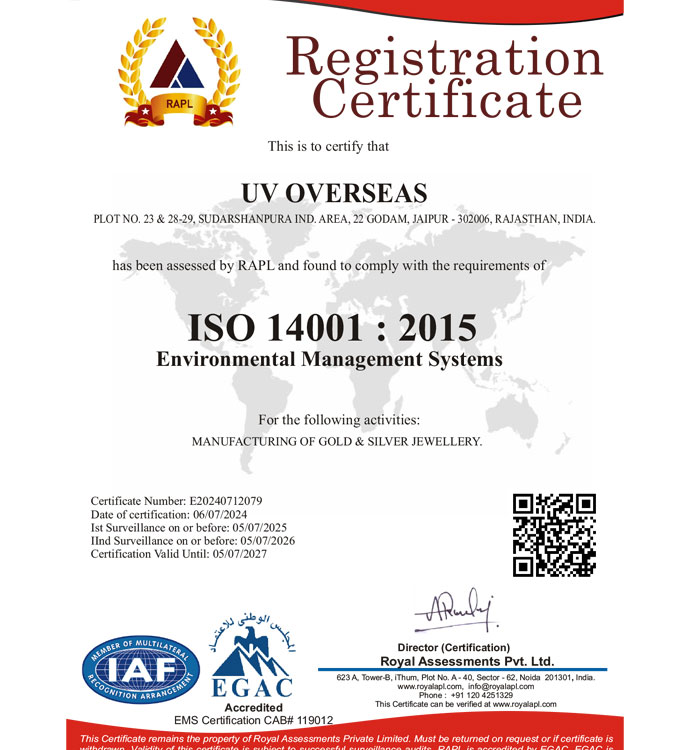
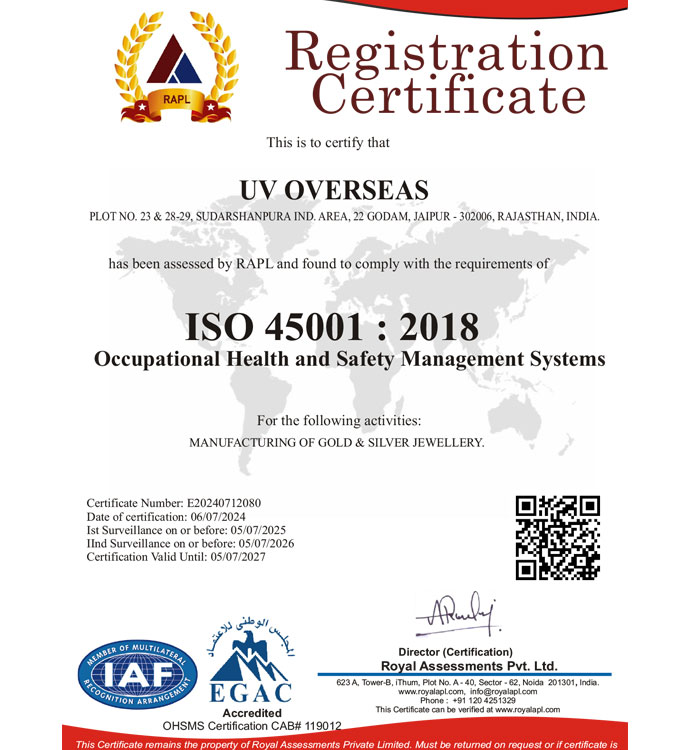
Our Certifications
These certifications stand as a testament to our unwavering dedication to delivering unparalleled quality and customer satisfaction in the realm of jewelry manufacturing.

Happy Designers & Brands
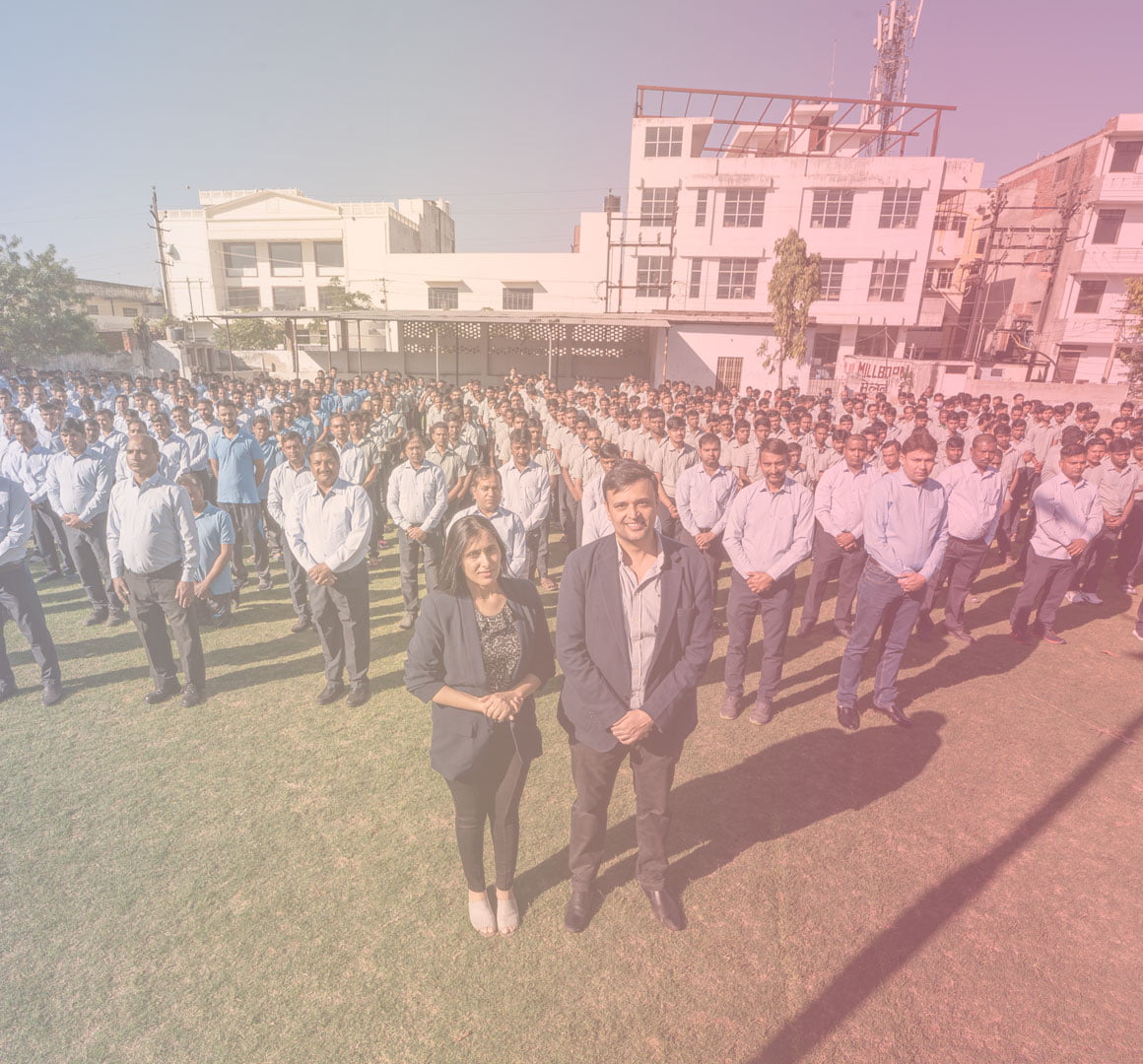
“Start with your sample first collection, Share your sketches & see the difference.”
Our Recent Works
Worked with more than 400+ designers & brands across 30 countries
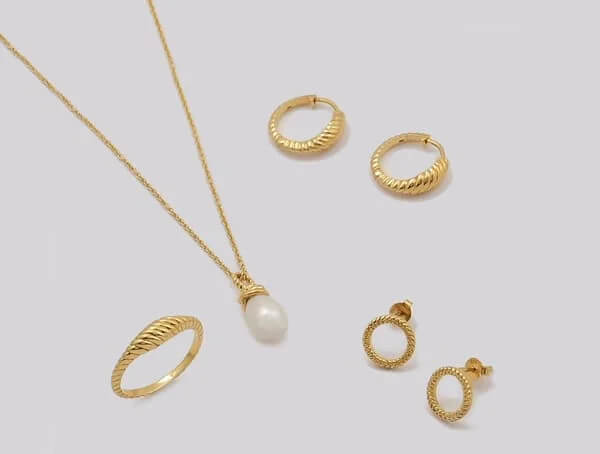
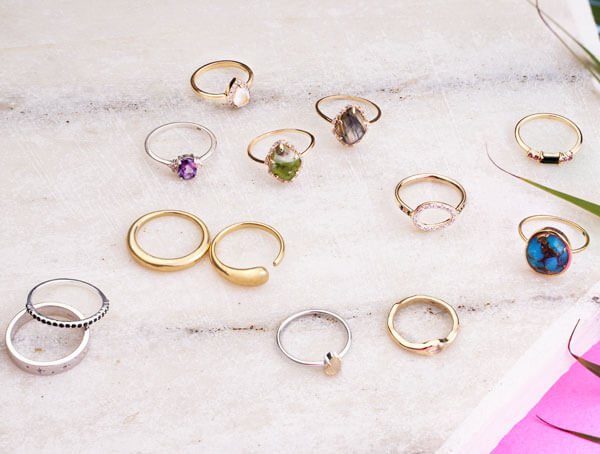
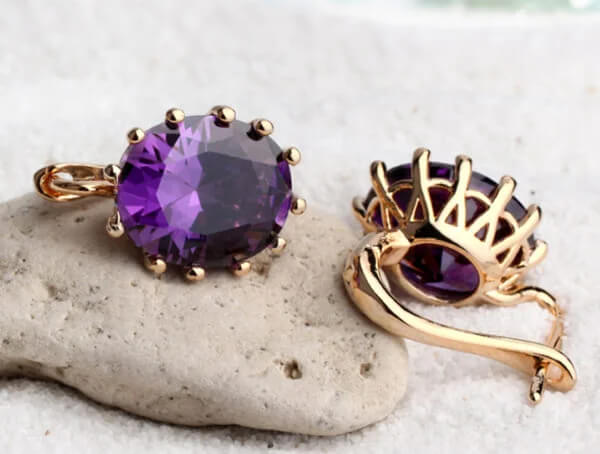

About Essentials Jewelry
An Award-Winning Asia’s Leading Custom Jewellery Manufacturer

you design, we create !!
Essentials Jewelry was formed a decade ago with one vision: to raise the industry standards of jewellery manufacturing. Now, we are an award-winning, Asia’s leading custom jewellery manufacturer.
We have worked with more than 260+ designers & brands across 30 countries and have been consistently recognized for our exceptional service quality & on-time delivery.
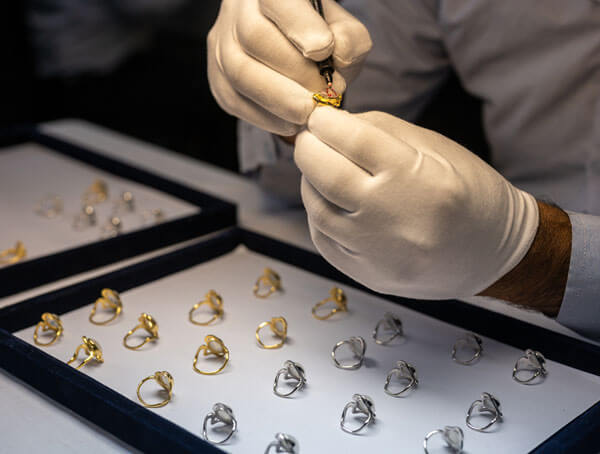
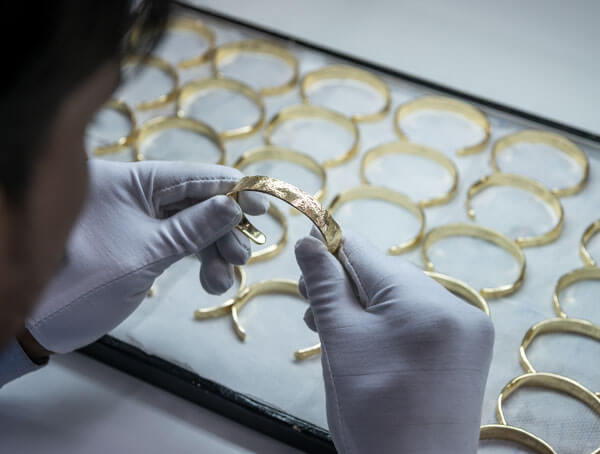
Utilizing an efficient production and logistics process, we specialize in manufacturing Custom, ODM, OEM, private label & white label jewellery as a manufacturer. With two operational factories, our 650+ craftsmen manufacture over 7000 high-quality masterpieces every day.
Learn more about our infrastructure, sustainable practices, and ethical business standards in our factory tour video.
Our Customers Across The World


“Start with your sample first collection, Share your sketches & see the difference.”
Essentials Jewelry: Leading ODM Jewellery Manufacturer Australia Setting New Standards in Manufacturing Excellence
The jewelry manufacturing landscape features two distinct yet complementary business models that brands must understand before forming production partnerships—ODM (Original Design Manufacturer) and OEM (Original Equipment Manufacturer). These models represent fundamentally different strategies for bringing jewelry collections to market. In OEM jewelry manufacturing, brands provide complete design specifications, CAD files, material requirements, and technical blueprints to the Jewelry Production Company, which then executes production precisely according to these directions without contributing to design development. This model gives brands complete creative control and design ownership, enabling creation of truly unique collections reflecting distinctive brand identities that competitors cannot duplicate simply by ordering from the same manufacturer. OEM proves particularly suitable for established brands with in-house design teams, luxury positioning requiring exclusive designs, and companies building strong brand recognition through signature styles customers associate specifically with their identity. The trade-off involves higher development costs since brands bear full responsibility for design creation, prototype development, and technical specification preparation before manufacturing begins, plus longer timelines from concept through finished inventory reaching retail channels. ODM jewelry manufacturing follows opposite approach where manufacturers maintain extensive catalogs of pre-designed collections that brands select from, customize to varying degrees through material choices and minor modifications, then rebrand and sell as their own proprietary offerings. This model dramatically reduces time-to-market since designs already exist with proven production processes established, eliminates expensive design development phases, and enables brands without internal design expertise accessing professional jewelry design at catalog selection simplicity. ODM suits emerging brands testing markets before committing to major investments, trend-driven businesses launching fashion jewellery collections that require rapid response cycles, and retailers prioritizing product variety over full design exclusivity. It is also particularly effective for brands experimenting with entry-level personalised jewellery concepts without absorbing full development costs upfront. The primary limitation lies in reduced exclusivity, as multiple brands may select similar base designs from a manufacturer’s catalog; however, material upgrades, engraving options, plating variations, and structural adjustments allow meaningful differentiation, preventing completely identical competitor offerings while maintaining speed-to-market advantages. The choice between models profoundly impacts brand positioning, operational efficiency, cost structures, and competitive advantages making careful evaluation essential for long-term success. At Essentials Jewelry, our comprehensive capabilities as both ODM Jewellery Manufacturer and OEM Jewellery Manufacturer enable Australian brands choosing optimal approaches for specific situations or combining models strategically across different collection segments. Our 25+ years experience serving 400+ brands across 30 countries means we understand nuanced decisions brands face and provide guidance ensuring choices align with business objectives, target demographics, and growth trajectories rather than simply accepting orders without strategic consultation.
How ODM & OEM Models Are Revolutionizing the Global Jewellery Industry
ODM and OEM manufacturing models have fundamentally transformed jewelry industry dynamics, democratizing access to professional production while enabling unprecedented brand proliferation and market segmentation serving increasingly diverse consumer preferences. Traditional jewelry business models required massive capital investments in manufacturing facilities, skilled artisan recruitment and training, material inventory management, and quality assurance systems before brands could offer single pieces to customers. This barrier-to-entry confined jewelry entrepreneurship to wealthy individuals or established companies with substantial financial resources and operational expertise, severely limiting market innovation and competitive dynamics. ODM and OEM partnerships eliminated these prohibitive requirements by enabling brands leveraging manufacturers’ existing infrastructure, accumulated expertise, and established processes without duplicating expensive investments independently. This democratization sparked explosion of independent jewelry brands, niche market specialists, and innovative designers who previously lacked resources competing against established players. The result proves beneficial for consumers through expanded choices, competitive pricing from increased market supply, and design innovation as new brands experiment with aesthetics established companies avoid through risk aversion. Speed-to-market acceleration represents another revolutionary impact, with ODM enabling brands launching collections within weeks compared to months or years traditional development required. This agility proves particularly valuable in fashion jewelry segments where trend cycles accelerate continuously through social media influence, enabling brands capitalizing on viral moments before market saturation diminishes profitability. Conversely, OEM enables established brands maintaining design control while outsourcing manufacturing complexity, freeing resources for brand building, customer engagement, and market expansion rather than operational management. This strategic focus proves increasingly important as direct-to-consumer channels, social media marketing, and influencer partnerships demand continuous investment that manufacturing operations would otherwise consume. Global supply chain optimization emerged through manufacturers serving multiple international brands simultaneously, achieving economies of scale impossible for individual companies while enabling quality investments benefiting entire client portfolios. Asian manufacturers particularly capitalized on this model, leveraging skilled labor availability, material sourcing advantages, and manufacturing expertise established over generations. Customization flexibility within framework production represents another revolutionary advancement, with modern manufacturers offering graduated customization options from simple branding through substantial design modifications enabling brands balancing efficiency with differentiation needs. This flexibility means brands aren’t forced choosing between completely generic offerings or fully custom development but can position strategically along continuum matching budget constraints, timeline requirements, and differentiation objectives. Risk mitigation proves equally transformative, with manufacturers assuming substantial operational risks through material procurement, production quality, and delivery reliability while brands focus on market-facing activities where their expertise lies. At Essentials Jewelry, our dual capabilities as ODM Jewellery Manufacturers and OEM Jewellery Manufacturers serving Australian market enable brands accessing both model advantages through single manufacturing partnership rather than managing multiple vendor relationships creating coordination complexity.
Why Australian Brands Choose Expert ODM Jewellery Manufacturer Australia Partners
Strategic partnerships with experienced ODM Jewellery Manufacturer Australia specialists enable brands capitalizing on substantial market opportunities while avoiding operational complexities and capital requirements that derail companies attempting independent manufacturing. The Australian jewelry market demonstrates steady growth valued at AUD 5.09 billion (USD 3.02-3.34 billion) in 2024 projected to reach AUD 6.68 billion (USD 3.67-4.70 billion) by 2030-2034, expanding at compound annual rates of 2.76-3.46% driven by consumer demand shifts favoring meaningful purchases, sustainable practices, and authentic brand connections. Australian consumers demonstrate sophisticated jewelry appreciation combined with strong sustainability consciousness and preference for unique designs creating perfect environment for ODM models enabling brand differentiation through customization while maintaining production efficiency. Cost efficiency represents primary ODM advantage, with manufacturers leveraging economies of scale across multiple brand clients reducing per-unit production costs substantially compared to brands attempting small-batch manufacturing independently or maintaining full in-house operations. This optimization enables Australian brands offering competitive retail pricing while maintaining healthy profit margins supporting sustainable business growth, marketing investment, and customer service excellence building lasting loyalty. Reduced capital requirements prove equally compelling for emerging Australian brands and established retailers expanding jewelry categories, as they eliminate the need for prohibitive investments in advanced casting equipment, precision laser systems, comprehensive lab-grown gemstone inventories, lab-grown diamonds, and sophisticated finishing capabilities, while still enabling access to high-quality, scalable production. Partnering with a professional Jewelry Casting Company allows brands to access these high-end resources at scale, ensuring consistent quality and production efficiency without heavy infrastructure costs. Speed-to-market advantages enable Australian brands capitalizing on trends, seasonal opportunities, and competitive windows before market saturation diminishes profitability. ODM partnerships typically deliver finished inventory within 4-8 weeks compared to 4-6 months required for fully custom OEM development, enabling rapid response to consumer preferences shifting continuously through social media influence and celebrity endorsements. Professional design access without overhead costs proves transformative for Australian brands lacking in-house jewelry design expertise yet needing collections reflecting contemporary aesthetics and market trends. ODM manufacturers employ experienced designers understanding global jewelry trends, material properties, manufacturing feasibility, and consumer preferences across demographics, providing professionally designed collections that emerging brands could never afford developing independently. Quality consistency protects Australian brand reputation through reliable manufacturing excellence maintaining standards across production volumes. Professional ODM manufacturers implement documented quality protocols spanning raw material verification, in-process inspection, and final review stages preventing defects reaching customers while ensuring consistency building customer confidence in brand reliability. At Essentials Jewelry, our 100+ quality assurance experts examine every piece serving Australian ODM partners, maintaining standards preventing reputation damage far outweighing manufacturing cost savings that would compromise quality. Scalability enables Australian brands growing without manufacturing constraints limiting expansion, as professional manufacturers maintain capacity buffers accommodating order increases, seasonal surges, and sustained growth trajectories. Our 850+ skilled craftsmen and 6,000+ daily piece capacity means Australian brands scale from initial launches through substantial retail operations without changing manufacturing partners creating continuity complications. Sustainability credentials increasingly influence Australian purchasing decisions, with conscious consumers demanding verifiable ethical sourcing, transparent production practices, and genuine environmental responsibility—core values that define today’s Sustainable & Ethical Jewellery market. Partnering with certified ODM Jewellery Manufacturer Australia possessing RJC membership, ISO environmental standards, and green factory certification enables brands communicating authentic sustainability supporting premium positioning.
Strategic Advantages of OEM Jewellery Manufacturers for Brand Building
While ODM offers substantial benefits for emerging brands and trend-responsive collections, OEM Jewellery Manufacturer partnerships provide strategic advantages for established Australian brands prioritizing design exclusivity, intellectual property protection, and distinctive brand identity development. Complete design control represents OEM’s primary advantage, enabling brands creating truly unique collections reflecting distinctive aesthetic visions that competitors cannot duplicate simply by ordering from manufacturer catalogs. This exclusivity proves particularly valuable for luxury positioning where brand recognition centers on signature styles customers associate specifically with individual brands rather than generic jewelry available across multiple retailers. Australian jewelry market includes numerous examples of brands built on design distinctiveness—designers like Sarah & Sebastian achieving national recognition through contemporary aesthetics impossible replicating through ODM catalog selections. Intellectual property protection ensures investments in design development remain proprietary assets rather than shared resources potentially accessible to competitors. OEM agreements typically include confidentiality provisions preventing manufacturers producing identical designs for other brands, protecting creative work from unauthorized duplication that would dilute brand differentiation and competitive advantages. Brand identity development proves more authentic through OEM since every design element reflects intentional creative decisions rather than adapting pre-existing catalog offerings originally conceived for different brand contexts. This authenticity resonates with sophisticated Australian consumers increasingly skeptical of brands lacking genuine creative voices or distinctive perspectives differentiating them from countless alternatives. Premium pricing justification becomes easier when collections demonstrate genuine design originality rather than customized catalog selections that perceptive customers might recognize from competitor offerings. Consumers willingly pay premiums for pieces they perceive as unique creative expressions rather than merely rebranded generic jewelry, enabling healthier margins supporting sustainable business operations. Long-term brand value accumulation occurs more effectively through OEM since design ownership creates proprietary assets potentially appreciating over time as brand recognition grows. Iconic designs become synonymous with brands themselves—think Tiffany’s signature settings or Cartier’s distinctive aesthetics—creating lasting competitive moats that ODM relationships cannot establish. Material selection flexibility enables OEM brands specifying exact precious metals, gemstone qualities, and specialty components matching brand positioning without constraints from manufacturer catalog limitations. This precision proves particularly important for Australian brands emphasizing local materials like Australian opals, Argyle diamonds, or ethically sourced gold supporting domestic industries. Technical innovation opportunities emerge through OEM partnerships where brands and manufacturers collaborate developing new techniques, materials, or construction methods advancing jewelry manufacturing while creating proprietary processes competitors cannot easily replicate. At Essentials Jewelry, our OEM Jewellery Manufacturer Australia capabilities include 40+ experienced CAD professionals translating brand concepts into technically sophisticated specifications, 850+ skilled craftsmen executing complex designs requiring advanced techniques, and comprehensive quality protocols ensuring finished pieces match exacting brand standards. Our state-of-the-art German equipment and sophisticated infrastructure enable executing ambitious designs that less capable manufacturers would decline or compromise through simplified execution.
Choosing Between ODM and OEM Jewellery Manufacturers Australia for Your Brand
Choosing between ODM Jewellery Manufacturers Australia and OEM Jewellery Manufacturers Australia partnerships critically shapes a brand’s growth, efficiency, and competitive edge, demanding strategic evaluation beyond price. ODM offers lower startup costs, faster market entry (4–8 weeks), and proven catalog designs ideal for emerging or trend-focused brands, while OEM requires higher investment and longer timelines (3–6 months) but grants full design exclusivity and stronger long-term brand differentiation. Luxury brands typically favor OEM’s uniqueness, whereas fashion-driven labels benefit from ODM’s flexibility. Hybrid strategies—starting with ODM for market testing, then transitioning to OEM for signature collections—balance risk and innovation. With over 25 years of experience, Essentials Jewelry helps Australian brands navigate these choices effectively, offering dual ODM and OEM capabilities to align design vision, budget, and market positioning seamlessly.
The Future of ODM and OEM Jewellery Manufacturing in Australia
Australia’s jewelry market is entering a transformative phase driven by consumer sophistication, sustainability awareness, and advanced technology, creating major opportunities for brands partnering with ODM Jewellery Manufacturer Australia and OEM Jewellery Manufacturer Australia. Market growth beyond inflation is fueled by value-driven consumers seeking authenticity, ethical sourcing, and innovation. ODM/OEM manufacturers provide AI-powered design, VR try-on tools, blockchain transparency, and advanced production efficiency through shared infrastructure. Sustainability-certified partners like Essentials Jewelry—with RJC, ISO credentials, and solar-powered facilities—appeal to conscious buyers. As mass customization and hybrid ODM-OEM models expand, brands combining creativity with operational excellence through trusted manufacturing partnerships will dominate Australia’s evolving jewelry landscape.