Lab Grown Diamond Jewellery Manufacturer India: What Jewellery Brands Need to Know About Modern Diamond Manufacturing
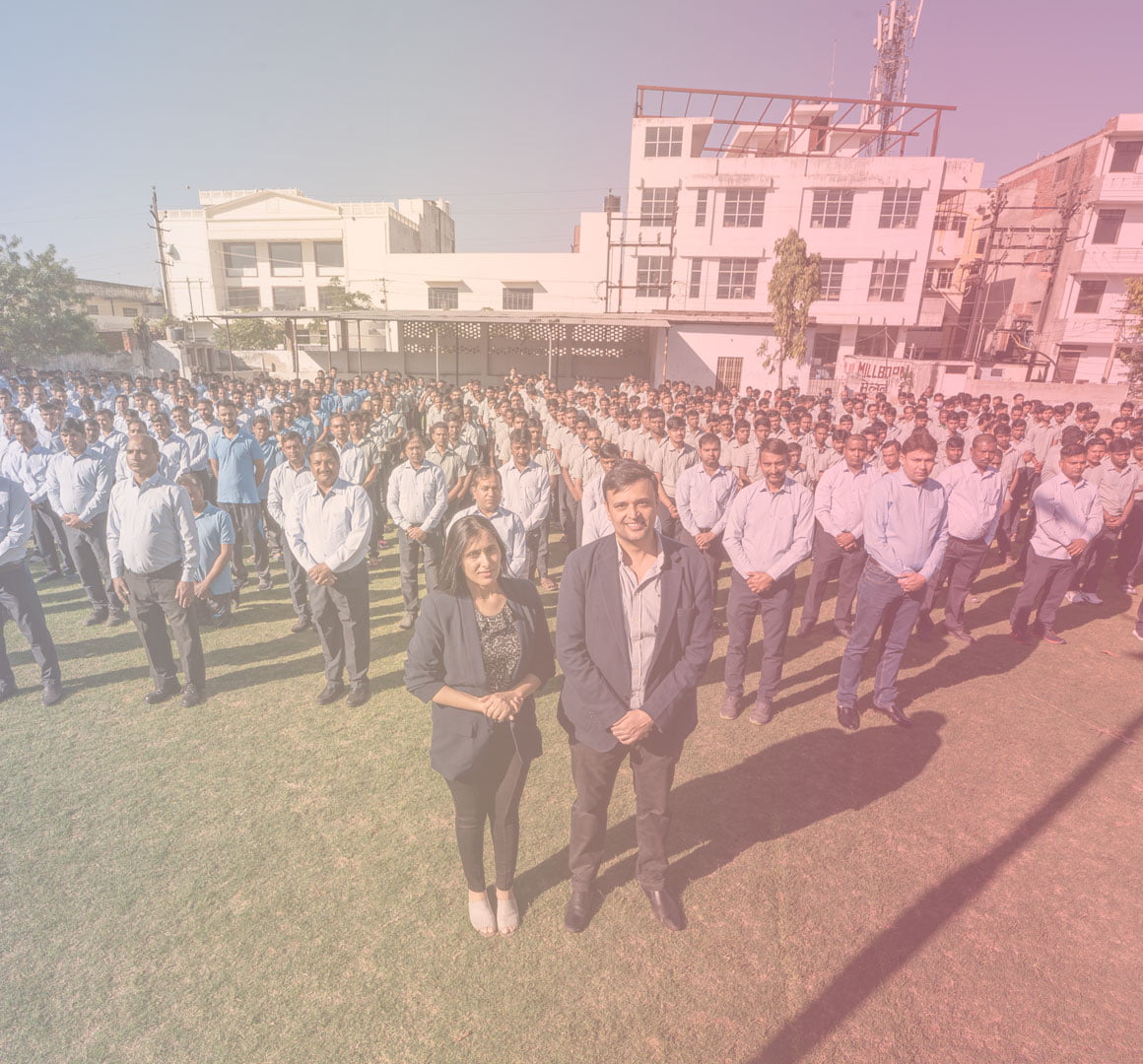
The lab-grown diamond revolution is transforming how jewelry brands think about luxury, sustainability and accessible premium positioning. India has emerged as a global powerhouse in this transformation, producing approximately 3 million lab-grown diamonds annually and accounting for 15% of worldwide production, with the market valued at 3,452 crore rupees (400 million USD) and projected to reach 5,179 crore rupees (600 million USD) by 2028. For jewelry brands navigating the shift from mined diamonds to lab-grown alternatives, understanding what separates professional Lab Grown Diamond Jewelry Manufacturer India operations from generic suppliers determines whether collections achieve the quality consistency, certification credibility and design flexibility that drive profitable growth. While the technology behind lab-grown diamonds has matured dramatically, not all manufacturers operate at equal sophistication—some invest in advanced CVD or HPHT production systems, certified gemstone sourcing, expert stone-setting capabilities and transparent practices, while others resell externally sourced stones without the manufacturing depth brands need for custom development or quality assurance. Essentials Jewelry in Jaipur exemplifies the manufacturing excellence brands should seek, offering extensive in-house gemstone manufacturing covering over 200 natural and lab-grown stones including lab-grown diamonds, sapphires, rubies and emeralds, integrated with state-of-the-art infrastructure including 40+ CAD professionals for custom design, 850+ skilled craftsmen for precision stone-setting work and 100+ dedicated QA experts ensuring consistency across batches.
How a Lab Grown Diamond Jewellery Manufacturer India Produces Diamonds Using Advanced Technology
Lab-grown diamond production operates through two primary methods that replicate the extreme conditions creating natural diamonds deep underground but in controlled laboratory environments over weeks rather than geological timescales spanning millions of years. The HPHT (High Pressure High Temperature) method, developed in the 1950s as the original lab-grown diamond technique, places a small diamond seed in pure carbon and subjects it to temperatures exceeding 2,000 degrees Fahrenheit combined with pressures reaching 1.5 million PSI (pounds per square inch), causing the carbon to melt and crystallize around the seed to form a synthetic diamond that is chemically, physically and optically identical to mined diamonds. The newer CVD (Chemical Vapor Deposition) method, created in the 1980s, uses a different approach where diamond seed crystals sit inside vacuum chambers filled with carbon-rich gases heated to approximately 1,500 degrees Fahrenheit, turning the gases into plasma that releases carbon pieces layering onto the seed and gradually building the diamond over multiple growth cycles. India’s lab-grown diamond sector benefits from government support including a 242 crore rupee grant to IIT Madras for research into indigenous production of lab-grown diamond machinery, seeds and recipes, positioning the country as a global leader in both production and technological advancement. However, most Lab Grown Diamond Jewelry Manufacturers India source finished lab-grown diamonds from specialized growers rather than producing diamonds themselves—what separates professional manufacturers is their expertise in stone selection, cutting precision, setting security and quality verification through advanced equipment like XRF machines that analyze composition non-destructively. Essentials Jewelry’s infrastructure includes German plating machinery, laser soldering and marking equipment for precision details, advanced XRF testing capabilities and structured quality checkpoints at casting, stone setting and finishing stages—systems ensuring lab-grown diamond jewelry meets the same demanding standards as natural diamond pieces.
Why Jewellery Brands Are Turning to a Lab Grown Diamond Jewellery Manufacturer for Modern Collection
The strategic case for lab-grown diamonds centers on three compelling advantages that reshape jewelry economics and consumer positioning. Price accessibility stands foremost: lab-grown diamonds typically cost 50–60% less than natural diamonds of comparable quality, enabling brands to offer larger stones, better clarity grades or more elaborate multi-stone designs at price points previously impossible, exactly the value proposition attracting millennial and Gen Z consumers seeking luxury without traditional premium pricing. Environmental and ethical positioning provides the second advantage—lab-grown diamonds eliminate concerns around mining’s environmental degradation, questionable labor practices and conflict diamond sourcing, offering brands credible sustainability stories that resonate with conscious consumers increasingly researching supply chain ethics before purchase. Design flexibility emerges as the third benefit: because lab-grown diamonds cost significantly less per carat, brands can experiment with bold designs, generous stone sizes and trend-responsive collections without the inventory risk that conservative approaches to expensive mined diamonds typically impose. For brands building contemporary jewelry around these advantages, partnering with a Lab Grown Diamond Jewellery Manufacturer Jaipur operation offering comprehensive capabilities becomes critical. Essentials Jewelry supports brands developing exclusive concepts, personalized jewelry with 7-day manufacturing turnarounds, made-to-order pieces in 10K, 14K or 18K gold manufactured in just 3–7 working days with full lab-grown diamond and gemstone customization, and fast-fashion brands requiring monthly collection launches—client diversity proving the infrastructure handles varied design complexity and urgency levels without forcing one-size-fits-all approaches.
What Certification Standards a Lab Grown Diamond Jewellery Manufacturer Jaipur Should Provide
Certification separates credible lab-grown diamond jewelry from questionable products lacking independent quality verification.The two dominant certification bodies—GIA (Gemological Institute of America) and IGI (International Gemological Institute)—both grade lab-grown diamonds but with important differences brands must understand. GIA, established in 1931 and widely recognized as the gold standard in diamond grading, applies exceptionally rigorous standards with conservative assessments where a diamond graded VS1 clarity by GIA might receive a VVS2 grade from IGI, reflecting stricter grading discipline. GIA’s lab-grown diamond reports include laser inscription with “Laboratory-Grown” designation, unique GIA report numbers, detailed inclusion assessment and verification using advanced gemological techniques, though GIA processes fewer lab-grown diamonds than IGI and typically has slower turnaround times. IGI, established in 1975, has positioned itself as a lab-grown diamond specialist, offering faster processing, more detailed growth method documentation (specifying CVD or HPHT production), state-of-the-art screening technology and comprehensive reports, though industry feedback suggests IGI grading can vary by 1–3 color or clarity grades compared with stricter GIA standards depending on which IGI laboratory processes the stone. For brands, certification choice involves trade-offs: GIA certification commands higher consumer confidence and resale value but increases costs and processing time, while IGI certification offers faster turnaround and detailed technical information at slightly lower cost but potentially less conservative grading. Professional Lab Grown Diamond Jewelry Manufacturers Jaipur should transparently discuss certification options, explain grading differences and source stones with proper documentation rather than selling uncertified lab-grown diamonds that damage brand credibility when customers later seek independent verification.
How a Lab Grown Diamond Jewellery Manufacturer Jaipur Supports Custom Jewellery Development
Custom jewelry development with lab-grown diamonds requires manufacturing partners who function as design collaborators rather than simple production vendors. The strongest partnerships begin with robust CAD infrastructure where experienced professionals work directly with brands to convert rough concepts, mood boards or customer requests into detailed 3D models that test stone sizes, setting styles and structural integrity digitally before any metal is cast or diamonds are sourced. Essentials Jewelry operates with a dedicated team of 40+ experienced CAD professionals who collaborate on design optimization—advising when specific lab-grown diamond cuts enhance designs, identifying structural weaknesses before production, suggesting alternative setting techniques that improve durability and providing technical expertise that prevents costly mistakes where beautiful renders become unwearable products. Stone sourcing flexibility matters enormously in custom work: manufacturers with extensive in-house gemstone libraries covering lab-grown diamonds plus 200+ other natural and lab-grown stones enable brands to experiment with mixed-stone designs, complementary colored gemstones or lab-grown gemstone options like white sapphires, rubies or emeralds without coordinating multiple external suppliers. The manufacturing process must accommodate customization complexity: state-of-the-art German casting equipment delivering intricate details, laser soldering and marking machines for precision work, skilled craftsmen trained in delicate stone-setting techniques and structured quality control with dedicated QA experts checking work at multiple stages rather than production staff inspecting their own output. For brands building identity around distinctive lab-grown diamond designs, partnering with Lab Grown Diamond Jewellery Manufacturers Jaipur holding advanced certifications like RJC membership, Disney FAMA authorization, ISO 9001 for quality management and Sedex 4-Pillar for ethical practices provides the credibility that elevates collections from generic lab-grown jewelry to premium custom work customers trust.
What Makes a Lab Grown Diamond Jewellery Manufacturer India Suitable for Scalable Jewellery Production
Scalability separates manufacturers who support brands through growth from those who become bottlenecks forcing painful supplier switches mid-trajectory when capacity constraints or quality inconsistency undermine expansion plans. Professional Lab Grown Diamond Jewelry Manufacturers India operate at meaningful scale—daily output capacity measured in thousands of pieces, workforce depth providing redundancy when demand surges and quality systems ensuring consistency whether producing 200 test units or 2,000-piece retail orders. Essentials Jewelry is engineered for a daily output exceeding 6,000 jewelry pieces supported by 850+ skilled craftsmen and 100+ dedicated quality-assurance experts who implement structured inspection at casting, stone setting, plating and finishing stages, infrastructure proving the operation can absorb emerging brands testing lab-grown diamond capsules and established labels fulfilling large department-store programs without forcing trade-offs between speed and quality. Multi-karat and multi-collection support demonstrates operational flexibility: the ability to simultaneously manufacture fast-fashion pieces with 3–4 week turnarounds, demi-fine lab-grown diamond jewelry accepting 6–8 week timelines, personalized pieces with 7-day delivery and made-to-order gold jewelry in 3–7 working days shows planning systems handle diverse brand rhythms. For brands building sustainable businesses around lab-grown diamonds rather than chasing viral moments, choosing manufacturers who have partnered with designers and brands across 30 countries since 1999 provides the institutional knowledge, quality track record and proven reliability that turns manufacturing from operational risk into competitive advantage.
What Should Brands Look for When Choosing a Lab Grown Diamond Jewellery Manufacturer?
Manufacturer evaluation begins with infrastructure verification: do they operate with advanced casting equipment (German machinery signals quality investment), precision laser technology for detailed work, comprehensive gemstone sourcing covering both lab-grown diamonds and complementary stones, dedicated CAD teams for custom development and structured quality systems with separate QA personnel rather than production staff self-inspecting their work? Certification depth reveals manufacturing seriousness: RJC (Responsible Jewellery Council) membership proves ethical supply chain commitment, ISO 9001 demonstrates documented quality management processes, Sedex or similar audits confirm labor and workplace standards, environmental certifications like ISO 14001 show sustainability beyond marketing claims and Disney FAMA authorization indicates manufacturers can meet extraordinarily strict compliance standards. Stone sourcing transparency matters critically—professional manufacturers openly discuss whether they grow diamonds in-house or source from specialized producers, explain certification options with honest comparisons between GIA and IGI grading, provide proper documentation for every stone and use advanced testing equipment like XRF machines to verify composition and authenticity non-destructively. Client portfolio diversity signals capability: manufacturers serving established demi-fine jewellery brands, fast-fashion labels, personalized jewelry programs, Disney-licensed collections and brands developing exclusive concepts demonstrate systems handle varied complexity, karat specifications and urgency requirements without cookie-cutter limitations. For brands evaluating Lab Grown Diamond Jewellery Manufacturer options, Essentials Jewelry in Jaipur represents the benchmark combining lab-grown gemstone expertise, manufacturing infrastructure depth, layered certifications, export credentials serving major international retailers and proven track record across 30 countries since 1999—exactly the partnership sophistication modern lab-grown diamond jewelry brands need to compete successfully in markets where quality consistency, ethical credibility and design flexibility determine long-term profitability.