How a Fine Jewelry Manufacturer Shapes the Way Luxury Brands Are Remembered
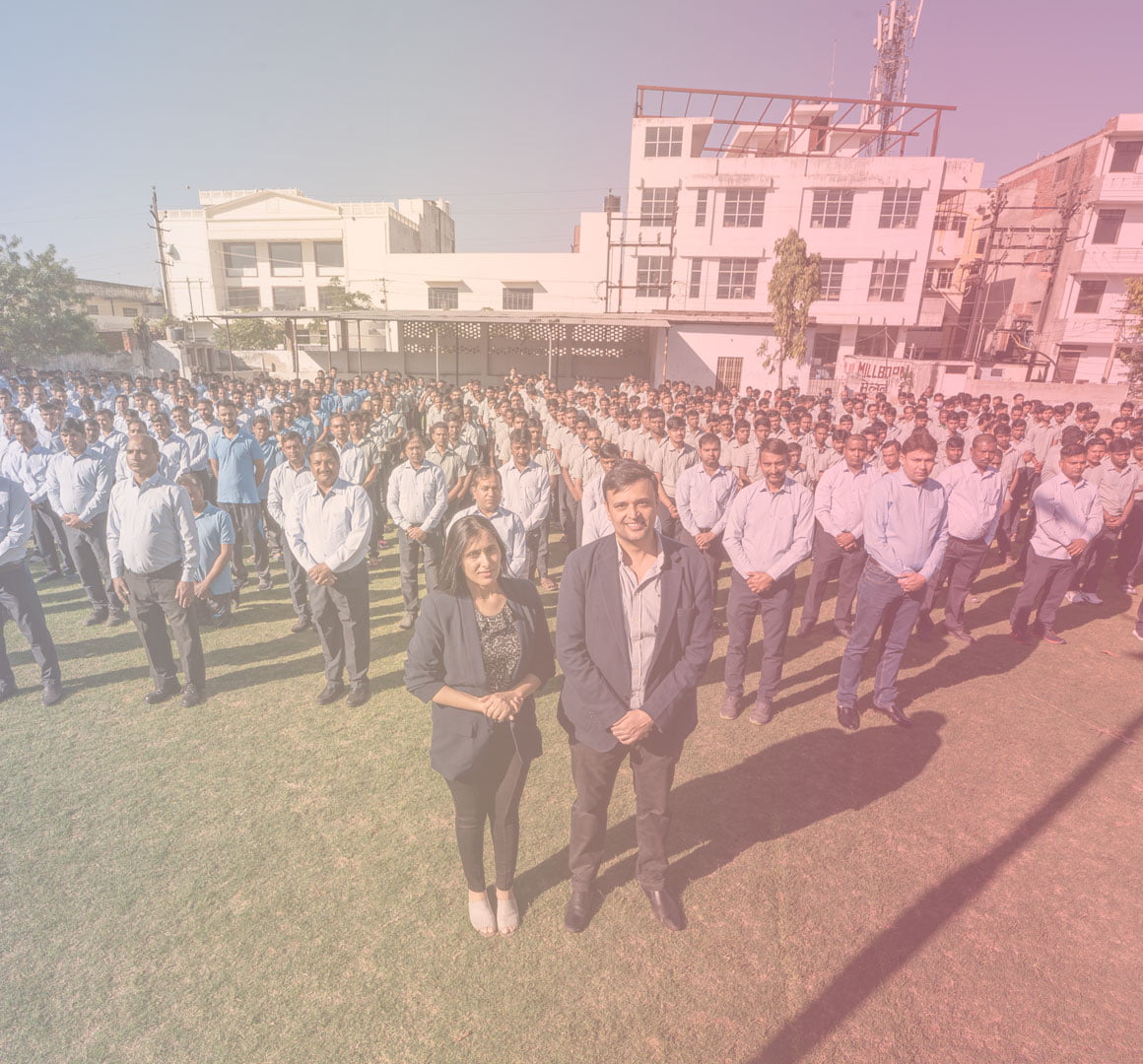
When customers fall in love with a luxury jewelry brand, they’re usually reacting to more than a logo or a campaign—they’re reacting to how the pieces look, feel and age over time, all of which quietly trace back to the Fine Jewelry Manufacturer behind the scenes. For US labels, that’s often a specialist partner like Essentials Jewelry in Jaipur, which has built two high‑spec factories, German casting and plating lines, and a team of 600+ craftsmen to support brands across 30 countries, including a growing list of American designers and retailers. From the outside, customers just see “beautiful fine jewelry”; inside the industry, people know that design is only half the story, and that consistent execution is what turns a nice idea into a long‑term brand memory. Essentials positions itself deliberately in that role—an award‑winning custom and Fine Jewelry Manufacturer partner for US and global brands that want production to reinforce their story instead of silently undermining it. That’s why so many modern collections blur the lines between high and low—combining cleaner, premium‑grade pieces with more expressive fashion jewelry capsules—without ever letting quality slip below what their audience now expects as a baseline.
How a Fine Jewelry Manufacturer US Shapes the First Impression of a Luxury Brand
The very first time a customer opens a box, they’re judging a brand long before they read a care card. Weight, shine, clasp feel, the way stones sit, even how smooth the inside of a ring feels—all of that is the direct work of a Fine Jewelry Manufacturer US–facing partner, not the marketing team. Essentials Jewelry understands this deeply; its factories in Jaipur are set up with German casting plants, laser soldering and marking, and Fisher XRF metal‑testing machines precisely so that every piece that leaves the line feels deliberate rather than approximate. The company’s US page makes it clear that it isn’t just filling POs; it’s acting as a long‑term manufacturing arm for American brands that want their first impression to signal considered luxury, even when the retail price has to stay competitive. That approach extends across materials and constructions—whether Essentials is helping a client build a technically demanding eternity band, a clean solitaire pendant, or even supporting a Gold Vermeil Jewelry Manufacturer programme for brands that want premium‑feeling surfaces on more accessible cores, the bar for “this feels like the real thing” never drops.
Why Fine Jewelry Manufacturers US Do More Than Just Produce Stock
The best Fine Jewelry Manufacturers US don’t see themselves as factories; they see themselves as problem‑solving partners who influence everything from margin structure to positioning. Essentials Jewelry is a good example: it works with more than 400 designers and brands worldwide, offering custom, OEM, ODM, private‑label and white‑label services, which means its team spends as much time talking about design intent, pricing ladders and logistics as it does about casting temperatures. For a US brand, that often shows up in the form of honest feedback—flagging when a shank is too thin for daily wear, when a setting will snag knitwear, or when a stone size will push a piece out of its target price band before a single prototype is made. Because Essentials is deeply involved in gemstone manufacturing, with in‑house cutting for hundreds of natural stones, alternative materials and even moissanite, it can help American labels decide when a particular design wants a traditional centre stone and when it’s smarter to lean on a specialist Moissanite Jewelry Manufacturer‑type solution or other alternatives to balance story, ethics and cost. That kind of guidance is hard to get from a purely transactional supplier, but it’s exactly what turns a manufacturer into part of a brand’s strategic brain trust.
What Makes a Fine Jewelry Manufacturer Central to Timeless Brand Identity
Timeless brands don’t just happen; they’re engineered over years of consistent choices. A Fine Jewelry Manufacturer becomes central to that process by acting as the keeper of a brand’s visual and tactile “rules”—the preferred metal alloys, the exact thickness of favourite bands, the way claws are shaped, the proportions of signature solitaires or cluster heads. Essentials Jewelry was built with that role in mind; it describes its mission as raising global manufacturing standards and now runs a certified green factory for brands and designers alongside a dedicated stone‑and‑handmade unit, both of which follow documented processes so that a client’s tenth collection feels just as “on brand” as their first break‑out hit. That stability lets creative teams evolve their look without losing themselves—refining silhouettes, adding or subtracting detail, introducing new stones or textures—while a familiar underlying architecture holds everything together. It’s also why Essentials invests in a wide material toolkit, from classic precious alloys through to newer options like lab grown gemstone lines and alternative stones: it gives US brands room to shift their language slowly rather than making jarring jumps driven purely by availability or short‑term trends. For customers, that continuity is what registers as “this looks like them” even before they see the logo.
How Fine Jewelry Manufacturers Help Build Recognition Through Craftsmanship
Over time, customers start to associate a brand with certain feelings: the reassuring click of a clasp, the way pavé sparkles in low light, the comfort of a band you forget you’re wearing. All of that is the cumulative work of Fine Jewelry Manufacturers rather than any single designer. Essentials Jewelry leans on a mix of technology and bench skill to make those micro‑experiences repeatable—CAD/CAM for precision, German machinery for casting and plating, and large handmade teams for stone setting and finishing. Its factory tour puts it bluntly: “You imagine, we create,” underlining that the role of a manufacturer is to translate intent into physical reality at scale, not to flatten it. For US brands, that translation often includes tiny touches like consistent under‑galleries, smoothed edges and well‑rounded prongs that aren’t obvious in photographs but become very obvious once a piece is worn a few times. Those touches are also where different tiers quietly separate: a line meant to feel like elevated fine jewelry will get more complex galleries, more careful polishing and more refined stone placement than a quicker, trend‑driven drop—even if both come out of the same building. Because Essentials also manufactures for brands in more accessible categories and supports programmes that sit closer to fashion jewelry, it knows how to pitch craft to different audiences without letting anything fall below a minimum level of “this is worth owning.” That multi‑level view is part of why a growing number of US labels use a single partner for both premium and entry pieces; customers still feel a baseline of care, even when designs are intentionally simpler.
When a Fine Jewelry Manufacturer US Turns Precision Into Long-Term Brand Memory
Precision in fine manufacturing isn’t only about microscopic tolerances; it’s about repeating the same feeling, box after box, year after year. A Fine Jewelry Manufacturer US–facing partner like Essentials Jewelry does that by building systems that catch variation before customers do—XRF testing to verify metal and plating specs, calibrated stone inventories for consistent colour and size, and multi‑stage QC that checks everything from prong tightness to chain movement. For brands, that consistency is what allows them to promise lifetime pieces without silently bracing for a wave of returns. For customers, it quietly reinforces the sense that “this brand gets it right,” which is exactly the kind of memory you want to build in a crowded market. That same consistency also lets labels develop clear tiering: solid pieces at one level, plated or mixed‑material designs at another, each executed to an appropriate but dependable standard. Essentials’ background in multiple material classes—from sterling and stone‑set ranges through stronger cores for brass jewelry and vermeil—means it can help US clients decide which constructions belong in which lane and how to ensure that none of them feel like an afterthought. As alternative stones become more important, the company’s experience working with lab grown diamonds and other modern materials lets brands introduce new stories without compromising on the precision their customers already associate with them.
Why Luxury Reputations Often Mirror Their Fine Jewelry Manufacturer Partnerships
In the end, the reputation of a luxury label tends to rise or fall with the strength of its manufacturing partnerships. Glowing press, beautiful campaigns and clever cultural marketing lose their power quickly if clasps fail, stones loosen or plating wears away too fast. That’s why the quiet decisions about which Fine Jewelry Manufacturer to trust are some of the most important choices a US brand ever makes. Essentials Jewelry has built its business around being the kind of partner that can sit behind a name for decades without needing to be visible to the end customer—investing in a certified green facility, recycled precious metals, responsible stone sourcing and audited social practices so that a “sustainable & ethical jewelry” narrative has solid ground beneath it. For US founders trying to knit together design, conscience and commercial reality, that matters as much as CAD renders and price quotes. At the same time, the company acknowledges that modern assortments are rarely pure; many of its clients run layered ranges that include everything from sharper high‑end lines through approachable demi fine jewelry and even occasional brass‑based capsules, all expected to feel like they come from a single, coherent world. Essentials’ role is to make sure those worlds connect—to keep the finishing, comfort and basic integrity of every piece high enough that customers can move between gold jewelry heroes, quieter silver jewelry staples and more expressive side projects without ever feeling they’ve stepped outside the brand they chose in the first place. In a market where attention is short and expectations are rising, that kind of manufacturing partnership isn’t just “ops”; it’s one of the main reasons a fine jewelry brand gets remembered at all.