How a Demi Fine Jewellery Manufacturer UK Supports the Growth of Wearable Luxury
Somewhere between heirloom diamonds and impulse‑buy accessories, a new sweet spot has quietly become the default for a lot of UK shoppers. They still want pieces that feel considered and “grown‑up”, but they also want to wear them on the Tube, into the office, out for late drinks and back again without feeling over‑dressed or terrified of losing them. That middle ground is exactly where a Demi Fine Jewellery Manufacturer UK partner like Essentials Jewelry operates—engineering pieces that look editorial on a campaign shoot but feel natural with a jumper and trainers on a Thursday. The numbers back up how big this shift really is. While the overall UK jewellery market is ticking along at roughly 1% annual value growth from 2025 to 2032, demi‑fine is expanding far faster—one recent outlook projects the UK demi‑fine segment more than quadrupling in value between 2023 and 2033, with CAGRs in the mid‑teens as consumers trade up from throwaway accessories into affordable luxury. It’s a category that sits carefully between traditional fine jewellery and lower‑priced plated pieces, delivering solid metals, real stones and serious design at prices that feel like “treats” rather than “events”.
Why Demi Fine Jewellery Manufacturers UK Are Redefining Everyday Luxury for Modern Consumers
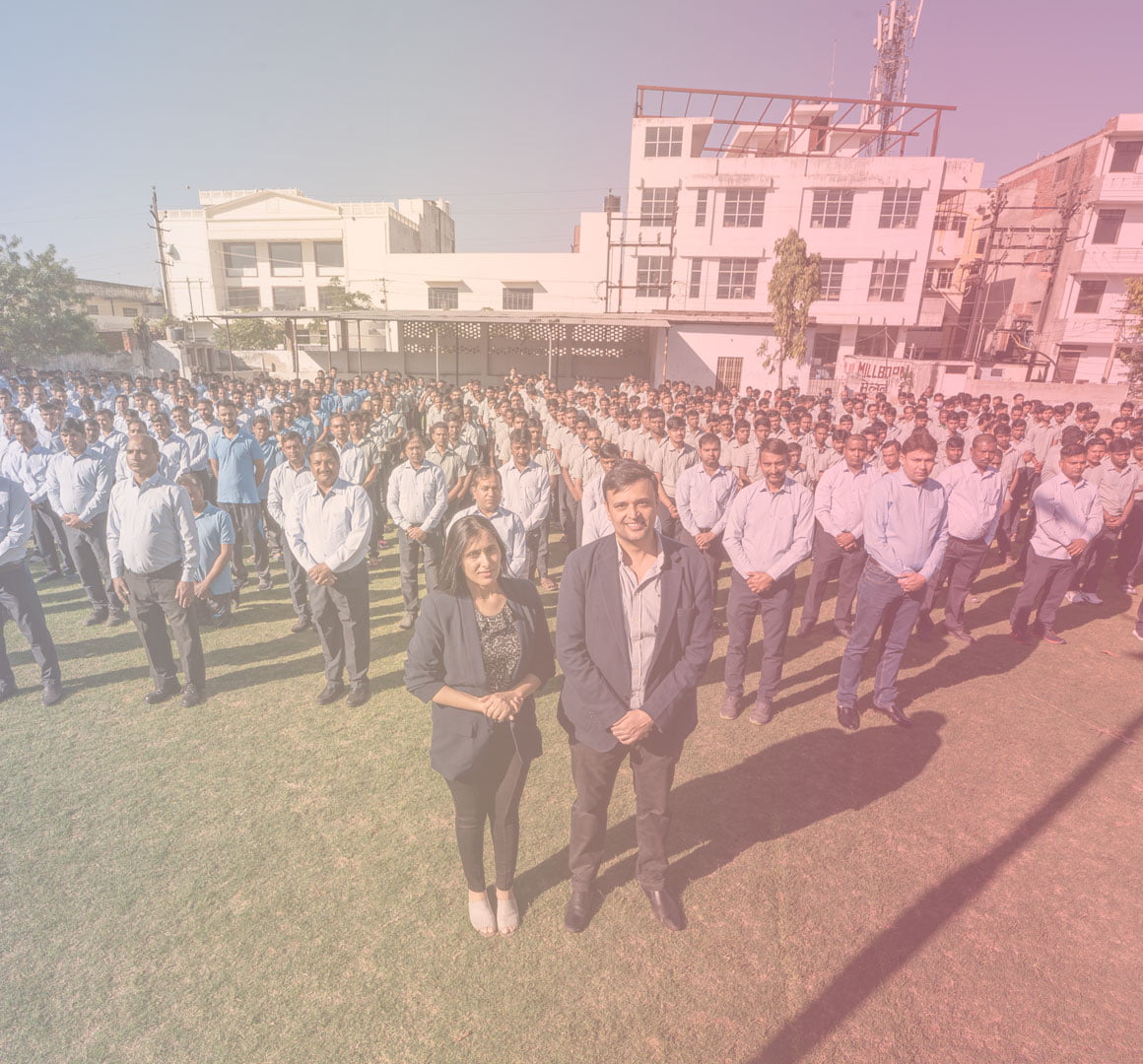
Ask most UK customers what “luxury” means now and you’re as likely to hear about comfort, ethics and styling flexibility as you are about price tags. Demi Fine Jewellery Manufacturers UK who understand that are redefining what everyday luxury looks like: slim bangles that stay on through the school run, huggies you can sleep in, stacking rings that still feel special even when you’ve worn them three days in a row. Essentials Jewelry has built its entire model around that kind of daily wearability—running CAD, casting, stone‑setting and QA under one roof so each piece can be engineered for real life, not just for product shots. Demi‑fine lives and dies on how it feels, and metal choice is a huge part of that. Most demi‑fine brands work predominantly in 925 and vermeil, which is why a manufacturer with deep roots as a silver jewellery specialist is so well positioned to lead the space. Essentials started life as a silver jewellery manufacturing facility in Jaipur; today, its two factories and 600+ craftsmen produce for over 400 designers and brands across the UK, Europe and beyond, giving it a front‑row seat to how British consumers actually wear their pieces rather than how brands imagine they might. That feedback loop—between real wardrobes and real workshops—is exactly what keeps demi‑fine feeling grounded instead of fragile. And crucially, demi‑fine is stepping out of the “cheaper alternative” shadow. Younger shoppers in particular see it as a deliberate aesthetic choice: quieter, more relaxed and more compatible with a capsule wardrobe than high‑shine, logo‑driven fashion jewellery, but without the ceremony and caution that often comes with very high‑ticket pieces. That attitude is only possible because manufacturers have raised the bar on finishing, durability and design sophistication.
How a Demi Fine Jewellery Manufacturer UK Balances Elegance With Wearable Fashion Trends
The most interesting demi‑fine lines in the UK walk a tightrope between the sharpness of runway‑driven looks and the reality of busy, phone‑in‑hand lives. A Demi Fine Jewellery Manufacturer UK partner like Essentials sits right on that rope. The design teams in Jaipur spend a lot of time interpreting moodboards and trend decks—chunky chains one season, sleek signets the next, colour pops or sculptural rings—then quietly adjusting wall thicknesses, prong styles and hinge placements so those ideas translate into pieces that can survive handbag chaos and long commutes. Metal tone is another balancing act. Many UK brands use demi‑fine as a way for customers to enjoy the look and feel of gold jewellery without jumping straight into high‑karat pricing. Essentials supports this by offering high‑quality vermeil and solid‑gold accent options in a single production flow, so a label can build a collection where, say, the hero ring is offered in both vermeil and 9k or 14k with identical proportions. That lets customers “trade up” within a familiar design language as their budget grows, instead of having to fall in love with an entirely new silhouette every time. At the same time, demi‑fine is nimble enough to borrow selectively from streetwear and trend‑driven looks. Some UK brands deliberately treat it as the elevated layer on top of more playful pieces—slim, clean lines that make bolder items feel grounded rather than chaotic. For a manufacturer, that means getting the subtleties right: clasp scale, chain drape, the exact outer diameter of a hoop. Essentials’ role is to keep those details consistent as trends shift around them. Brass has even found a thoughtful place in this ecosystem. While demi‑fine is typically defined by precious‑metal bases, a manufacturer with serious brass jewellery experience can help brands experiment with more expressive shapes or larger silhouettes using brass where it makes sense, then echo those ideas more minimally in their core demi‑fine lines so everything still feels like part of the same universe.
What Makes Demi Fine Jewellery Manufacturers Important in Today’s Accessible Luxury Market
The UK jewellery market is still dominated by high‑value pieces—fine accounts for roughly three‑quarters of total market value—but growth there is slow and heavily affected by metal prices and diamond supply issues. In contrast, demi‑fine is projected to grow at double‑digit rates over the next decade, making Demi Fine Jewellery Manufacturers some of the most important players in the “accessible luxury” space. They’re the ones turning the idea of “treatable” luxury into concrete SKUs that can sit comfortably on department‑store counters and in DTC shopping carts. A big reason for that growth is how well demi‑fine absorbs new material stories. Many UK brands now lean on responsibly produced stones and alternatives like lab grown diamond accents to deliver the same light‑catching effect customers love, while staying aligned with their values around sustainability and price transparency. Manufacturing partners need to understand both the optics and the engineering of those stones—how they behave in pavé versus solitaire settings, how to secure them in ultra‑fine bands—so brands can make bold claims about ethics without compromising on durability. The same is true for colour. Essentials, for example, runs one factory almost entirely around stone manufacturing and handmade work, cutting over 380 natural stones and an increasing number of lab grown gemstone options in‑house. That lets UK labels design demi‑fine pieces where colour is doing more of the storytelling—think muted blues, soft greens, or neutral quartz that sits happily next to everyday palettes—without having to source and calibrate stones from multiple vendors every season.
How Demi Fine Jewellery Manufacturer Partnerships Support Versatile, Lifestyle‑Driven Collections
The big difference between old‑school collections and the newer wave of demi‑fine is that the latter are built around lifestyles, not just occasions. A strong partnership with a Demi Fine Jewellery Manufacturer gives UK brands the freedom to design for how people actually move through the week: school runs, co‑working spaces, gym sessions, weddings, remote calls and everything in between. Essentials usually starts by helping clients structure ranges into “families”: core bands and huggies, mid‑weight hero pieces, and a few bolder items for dress‑up moments, all built on the same visual language. Some of the work here looks almost like what you’d get from a traditional handmade jewellery manufacturer—hand‑set stones, subtle engraving, organic textures—but it’s integrated into a scaled production system, so those artisanal touches are repeatable rather than one‑off. Another reason these partnerships matter is the ability to quietly power different business models. Essentials doesn’t just make direct‑to‑consumer collections; it also manufactures for cataloguers, TV channels and retailers under OEM, ODM and white‑label structures. For certain clients, demi‑fine sits inside a broader private label jewellery manufacturer strategy, where a major retailer wants its own in‑house brand to feel as refined as the third‑party labels it stocks. In those cases, the manufacturer has to do more than follow a spec; it has to help define a point of view that feels distinct but still “on brand” for the retailer’s customer base. Because Essentials works with UK brands across multiple tiers—from accessible lines that sit nearer to fashion jewellery up to collections sold in premium department stores—the team can advise where demi‑fine should end and where more traditional positioning should begin, keeping each label’s ladder clear rather than muddled.
Why Consumers Are Choosing Collections From Demi Fine Jewellery Manufacturers UK for Daily Styling
Look at how people actually wear jewellery in London, Manchester or Edinburgh and demi‑fine is everywhere: small hoops and studs in multiple piercings, slim rings across several fingers, layered chains that don’t scream for attention but still catch the light in a selfie. The reason so many of those pieces trace back to Demi Fine Jewellery Manufacturers UK partners is simple: consistency. When a ring doesn’t pinch, a chain doesn’t twist, and a clasp always feels reassuringly solid, customers stop thinking of a piece as “special” and start thinking of it as “mine”. Stone choice also plays a subtle role here. Many labels build demi‑fine collections around clean white or champagne stones that work with everything, increasingly turning to moissanite jewellery in select lines because it offers high brilliance, clear origin and an attractive price‑to‑sparkle ratio for style‑conscious buyers who don’t necessarily need natural diamonds in their everyday stacking sets. For a manufacturer, this means mastering stone‑setting techniques that keep these harder‑than‑CZ stones secure in very delicate settings—exactly the kind of behind‑the‑scenes detail that determines whether a piece becomes a daily staple or a frustrating regret. What customers rarely see—but always feel—is the work that goes into small comfort decisions. Essentials’ factory videos show careful attention to polishing, under‑gallery finishing and profile shaping, all of which translate into pieces that don’t snag knitwear or scratch phones. That’s why demi‑fine has become the default layer in so many wardrobes: once people realise they can have something that looks elevated, feels like nothing on the body and aligns with their values, it’s hard to go back to anything else.
What the Growth of Demi Fine Jewellery Manufacturers Reveals About Changing Luxury Preferences in the UK
The rapid growth of demi‑fine tells a bigger story about how UK consumers think about luxury itself. Where older generations might have focused on a single big purchase—a classic ring or necklace—today’s buyers are more interested in building a small ecosystem of pieces that can adapt with them: mixable, re‑stackable, easy to re‑contextualise as their style or life changes. That mindset rewards brands who treat a Demi Fine Jewellery Manufacturer as part of their creative brain, not just as a cost centre. From Essentials Jewelry’s vantage point in Jaipur, working with hundreds of clients across 30+ countries, the UK stands out for exactly this kind of thoughtful consumption. Buyers are prepared to wait a little longer, spend a little more and ask a few more questions if that means getting jewellery that feels authentic to them and that they can keep in rotation for years. Manufacturers who can deliver that—combining serious craftsmanship, ethical production and strong digital communication support—are likely to become the quiet powerhouses of the next decade of British jewellery. And because Essentials already supports so many UK demi‑fine labels—from emerging designers to brands selling through major department stores—it’s in a unique position to keep bridging the gap between ambition and execution. As long as Demi Fine Jewellery Manufacturers UK continue to treat “wearable luxury” as a lived reality instead of a buzzword, we can expect to see more people commuting, creating and celebrating in pieces that feel less like status symbols and more like an honest extension of who they are.