Gold Jewellery Manufacturer India: Exploring 9K, 14K, and 18K Gold Manufacturing for Modern Jewellery Brands
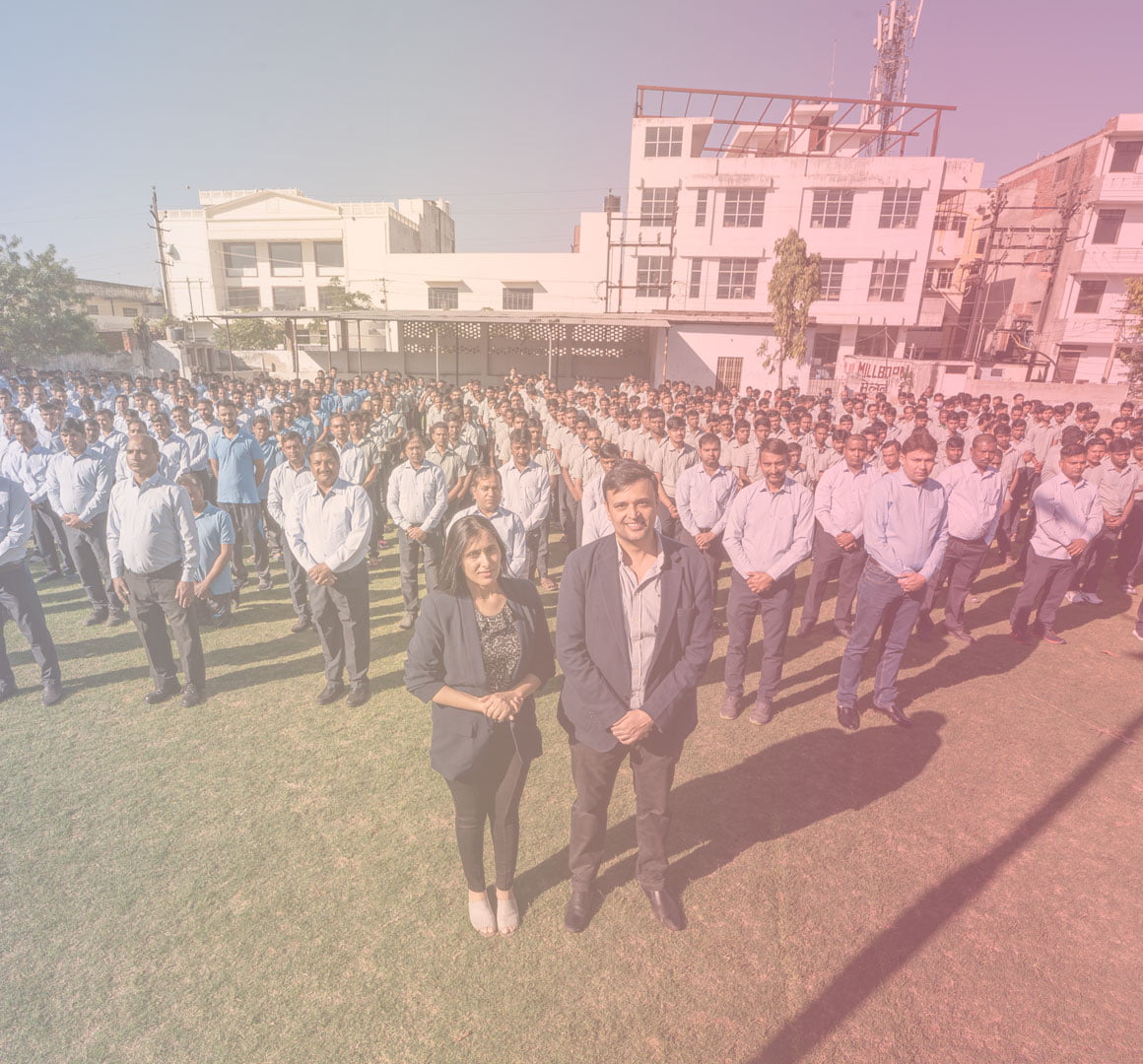
India has long stood as a global powerhouse in gold jewelry manufacturing, with Jaipur emerging as the epicenter for craftsmanship excellence, innovative design and export sophistication. The country’s deep cultural affinity for gold—woven into ceremonies, celebrations and personal adornment for millennia—has cultivated an ecosystem where traditional artisan skills meet modern production infrastructure, creating manufacturing capabilities few other regions can match. For jewelry brands navigating the complexities of gold karat selection, understanding how a Gold Jewellery Manufacturer India operates across different purity levels—9K, 14K and 18K—determines whether collections achieve the right balance between price positioning, durability and perceived luxury that drives profitable sales. While many brands default to single-karat strategies, the strongest manufacturers offer multi-karat capabilities enabling brands to segment collections strategically: entry-level pieces at accessible 9K pricing, contemporary everyday wear in durable 14K and premium luxury lines showcasing rich 18K aesthetics. Essentials Jewelry in Jaipur exemplifies this manufacturing sophistication, partnering with brands across 30 countries since 1999 to produce made-to-order gold jewelry in 10K, 14K and 18K with full customization of color (yellow, white, rose) and gemstone selection, manufactured in just 3–7 working days—infrastructure proving that karat flexibility and rapid turnaround are not mutually exclusive when systems are engineered for complexity.
How a Gold Jewellery Manufacturer Produces Jewellery in Different Gold Karats
The technical process of manufacturing jewelry across different gold karats begins with understanding that pure 24K gold—99.9% pure—is too soft for jewelry that must survive daily wear, requiring alloying with metals like copper, silver, zinc or nickel to create durability while maintaining gold’s lustrous appeal. A professional Gold Jewelry Manufacturer India operates with precise alloying systems: 18K gold contains 75% pure gold mixed with 25% alloy metals, 14K gold comprises 58.3% pure gold with 41.7% alloys and 9K gold includes 37.5% pure gold with 62.5% alloy composition. The alloy ratios directly impact color, durability and price—higher karats deliver richer, more vibrant gold tones but increased softness, while lower karats offer superior scratch resistance and structural strength at the cost of slightly muted coloration. Manufacturing begins with CAD design creating precise 3D models that account for how different karats behave structurally—18K’s malleability allows intricate detailing but requires reinforced prongs for stone settings, while 9K’s hardness suits heavy-use pieces like men’s rings or bracelets but demands careful heating during casting to prevent brittleness. Essentials Jewelry’s team of 40+ experienced CAD professionals collaborates with brands to engineer designs optimized for specific karat selections, using state-of-the-art German casting equipment that delivers consistent results across purity levels and advanced quality control with 100+ dedicated QA experts checking work at casting, stone setting and finishing stages. This infrastructure—including German plating machinery, laser soldering and marking machines and advanced XRF testing verifying gold purity and composition—separates professional Gold Jewellery Manufacturer Jaipur operations from workshops where karat inconsistencies undermine brand positioning and trigger customer complaints.
When Brands Prefer a 9K Gold Jewellery Manufacturer for Entry-Level Collections
The strategic case for 9K gold centers on accessibility without sacrificing the “real gold” positioning that fashion jewelry or gold-plated pieces cannot credibly claim. A 9K Gold Jewelry Manufacturer India partnership enables brands to offer entry-level gold collections at price points attracting budget-conscious consumers or first-time gold buyers who want authenticity but cannot justify 14K or 18K premiums. The 37.5% gold content in 9K pieces delivers extremely durable, scratch-resistant jewelry ideal for everyday rings, bracelets and pieces exposed to rough handling—exactly why it dominates markets like the UK and Australia where practical durability matches consumer preferences for low-maintenance jewelry. However, 9K gold presents aesthetic trade-offs: the higher alloy content creates a slightly muted, paler yellow tone compared with higher karats, and the duller finish may feel less luxurious to consumers accustomed to richer gold coloration. For brands, 9K positioning works best in collections where price and durability arguments outweigh prestige—casual jewelry, men’s accessories, children’s pieces or fashion-forward designs where trend responsiveness matters more than heirloom quality. The strongest 9K Gold Jewellery Manufacturer operations understand this positioning and engineer designs maximizing 9K’s strengths: chunky silhouettes showcasing structural weight, textured finishes masking the paler tone and secure stone settings benefiting from the metal’s hardness. Essentials Jewelry supports brands developing exclusive concepts across multiple karat options, providing the design expertise to optimize pieces for specific purity levels while maintaining brand aesthetic consistency across collection tiers.
Why a 14K Gold Jewellery Manufacturer Is Popular Among Contemporary Jewellery Brands
The 14K gold sweet spot explains why it dominates contemporary jewelry markets, particularly in the United States where 58.3% gold purity has become the default standard for engagement rings, earrings, chains and everyday-wear pieces. A 14K Gold Jewelry Manufacturer India partnership delivers the Goldilocks balance contemporary brands need: enough pure gold content (58.3%) to create warm, recognizable gold coloration without the premium pricing of 18K, combined with superior durability from higher alloy content making pieces resistant to bending, scratching and daily-wear damage. This balance lets brands position 14K collections as “fine jewelry for everyday life”—pieces customers wear constantly rather than reserving for special occasions, exactly the usage pattern driving repeat purchases and brand loyalty. The 14K advantage becomes particularly clear in pieces with delicate structures or exposed prongs: the metal’s strength prevents bending or breaking that softer 18K might experience, while the durability makes 14K ideal for active lifestyles where jewelry encounters gym equipment, laptop keyboards or frequent hand-washing. Color-wise, 14K yellow gold presents a softer, creamier tone than 18K’s richer yellow—a subtle difference appealing to consumers seeking understated elegance rather than bold luxury statements. For brands building contemporary collections around minimalist aesthetics, layering-friendly silhouettes or gender-neutral designs, partnering with a 14K Gold Jewellery Manufacturer Jaipur operation delivering consistent quality across hundreds or thousands of pieces becomes the manufacturing backbone enabling scale.
What Makes an 18K Gold Jewellery Manufacturer Ideal for Premium Jewellery Lines
The 18K gold premium centers on purity, coloration and perceived luxury that justifies higher price positioning and targets consumers seeking investment-quality pieces rather than disposable fashion jewelry. An 18K Gold Jewelry Manufacturer India partnership enables brands to offer jewelry containing 75% pure gold—a composition delivering the rich, vibrant yellow tone, warm rose undertones in rose gold variations and luxurious heft that signals quality to discerning customers. This higher gold content makes 18K slightly softer and more malleable than 14K or 9K, requiring skilled craftsmanship to engineer pieces that balance aesthetic beauty with structural integrity—exactly where experienced Gold Jewellery Manufacturer Jaipur operations add value through design collaboration. The softness becomes an advantage in intricate work: 18K’s malleability allows artisans to create delicate filigree, micro-pavé stone settings and complex engraving that harder lower-karat gold resists, making 18K the preferred choice for luxury engagement rings, wedding bands, high-end diamond jewelry and collector pieces where craftsmanship justifies premium pricing. However, 18K demands careful consumer education around maintenance: the softer metal scratches more easily than 14K or 9K, and prongs holding gemstones require periodic inspection to ensure they maintain security rather than bending under wear. For brands positioning around luxury, heritage or investment value, partnering with an 18K Gold Jewellery Manufacturer holding advanced certifications becomes critical for credibility. Essentials Jewelry operates with RJC (Responsible Jewellery Council) membership, Disney FAMA authorization, ISO 9001 for quality management, Sedex 4-Pillar certification and sources certified recycled gold verified by SGS—credentials proving ethical sourcing and sustainability claims that premium consumers increasingly demand before purchase. The factory’s 850+ skilled craftsmen bring handcrafted attention to intricate 18K work, supported by German laser equipment for precision details and 100+ QA experts checking stone settings, finishing and quality consistency across batches.
How Jewellery Brands Decide Between a 9K, 14K, or 18K Gold Jewellery Manufacturer
Karat selection strategy begins with understanding target market preferences, price positioning and usage scenarios rather than defaulting to single-karat collections that miss segmentation opportunities. Brands should evaluate geographic markets: the UK, Australia and parts of Europe favor 9K gold for its durability and affordability, the United States overwhelmingly prefers 14K as the standard for fine jewelry and Asian markets often lean toward higher karats (18K or 22K) where gold purity carries cultural significance and investment value. Budget positioning matters enormously—9K enables accessible price points attracting entry-level buyers, 14K hits the mid-market sweet spot where most contemporary jewelry sales concentrate and 18K targets premium segments willing to pay for purity and luxury. Usage considerations guide karat choice: pieces worn daily benefit from 9K or 14K durability, while special-occasion jewelry or investment pieces justify 18K’s richness despite higher scratch susceptibility. The strongest brand strategies involve multi-karat collections serving different customer needs: a 9K line offering accessible everyday pieces, a 14K range becoming the core collection for repeat buyers and an 18K premium tier showcasing craftsmanship for milestone purchases or gift-giving occasions. Working with a Gold Jewelry Manufacturer India capable of supporting all three karats with consistent design language, quality standards and delivery reliability lets brands segment strategically without juggling multiple manufacturing partners—exactly the operational efficiency growing brands need. Essentials Jewelry’s infrastructure supports brands developing exclusive concepts across karat options, provides extensive in-house gemstone manufacturing covering 200+ natural and lab-grown stones for design flexibility and simultaneously serves fast-fashion brands, demi-fine jewellery labels and luxury collections—client diversity proving systems handle varied karat specifications without forcing one-size-fits-all approaches.
The Role of a Gold Jewellery Manufacturer in Developing Multi-Karat Jewellery Collections
Manufacturing partnerships become strategic assets when manufacturers function as collaborators rather than order-takers, particularly for brands building cohesive multi-karat collections requiring design continuity across purity levels. A professional Gold Jewellery Manufacturer Jaipur operation guides brands on how design elements translate across karats—advising when 9K’s hardness permits bolder, chunkier silhouettes that 18K’s softness might compromise, or recommending reinforced prongs for 18K stone settings that 14K structures naturally provide through inherent strength. This collaborative design approach prevents costly mistakes where beautiful CAD renders become unwearable products because karat selection mismatched structural requirements. Strong manufacturers also provide transparent, itemized pricing breaking out gold costs by weight and spot price, labor charges per piece and finishing expenses separately, enabling brands to understand how karat choices impact margins and retail pricing across collection tiers. For brands scaling multi-karat strategies, manufacturing reliability determines success: operations with daily capacity exceeding 6,000 pieces, workforce depth of 850+ skilled craftsmen and structured quality systems maintaining consistency whether producing 9K, 14K or 18K become the operational backbone preventing bottlenecks when demand surges or karat mix shifts based on market response. Essentials Jewelry has partnered with brands and designers across 30 countries since 1999, building institutional knowledge around multi-karat manufacturing that benefits clients through faster development cycles, fewer production surprises and quality consistency that builds customer trust across price tiers—exactly the manufacturing partnership growing gold jewelry brands need to turn karat diversity from operational complexity into competitive advantage.