From Transparency to Trust: Working With a Sustainable & Ethical Jewellery Manufacturer for Australian Brands
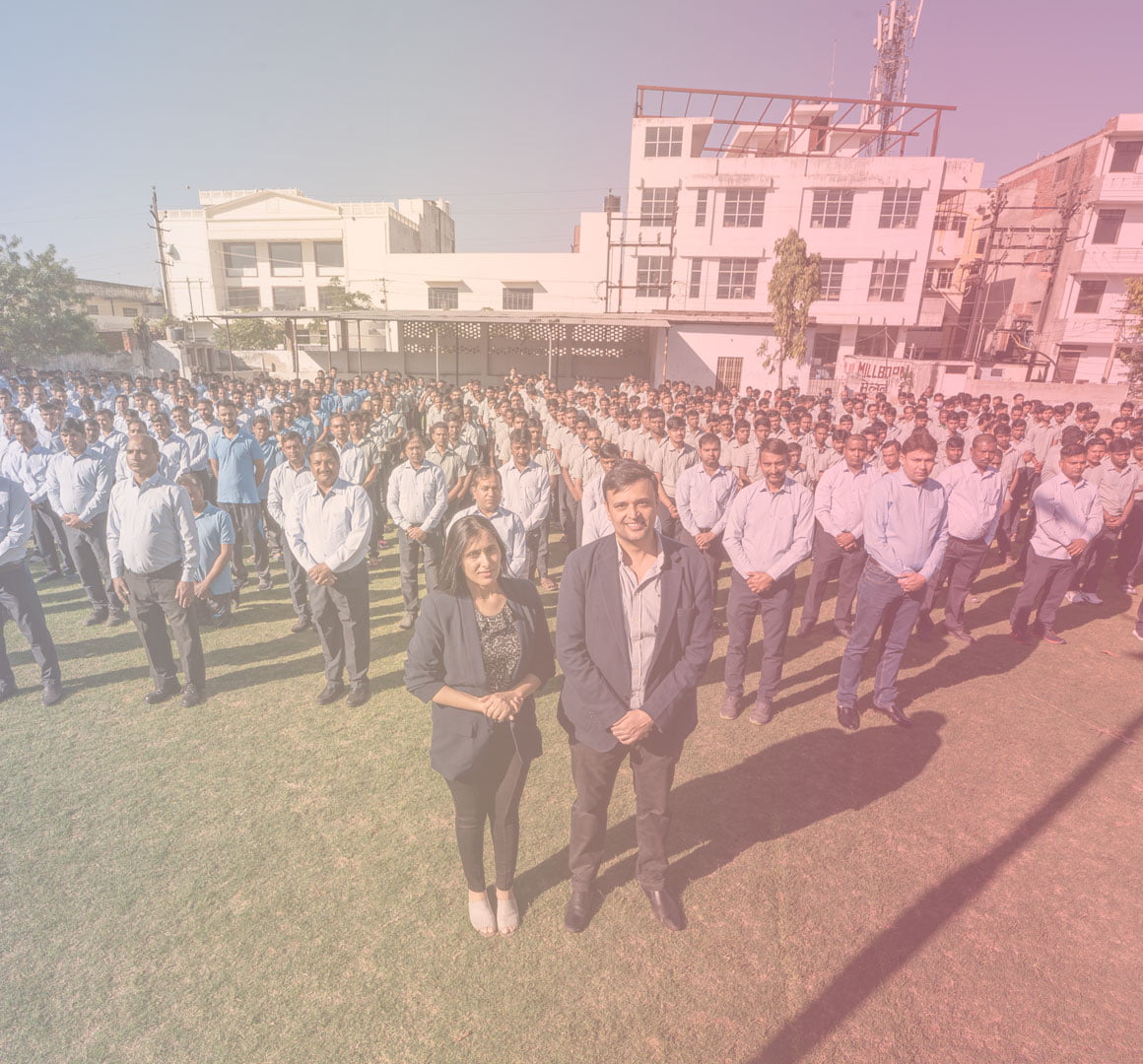
The Australian jewelry market, valued at 3.44 billion USD in 2025 and projected to reach 4.4 billion USD by 2034, is experiencing a fundamental transformation driven by consumer values rather than just aesthetic preferences. Australian consumers lead globally in demanding transparency and ethical practices—94% believe jewelry brands should be more transparent about sourcing and production, while sustainable jewelry searches surged an extraordinary 1,434% in just four years, signaling values-driven purchasing has moved from niche concern to mainstream expectation. For Australian jewelry brands navigating this landscape, choosing manufacturing partners determines whether sustainability positioning resonates as authentic or gets exposed as greenwashing that destroys hard-won reputations overnight. The reality Australian brands face is stark: domestic jewelry manufacturing capacity remains limited, with most production happening internationally, meaning credible sustainability commitments depend entirely on selecting Sustainable Jewellery Manufacturer operations holding verifiable certifications, documented practices and transparent supply chains rather than self-reported claims consumers increasingly question. Essentials Jewelry in Jaipur exemplifies the manufacturing sophistication Australian brands require, operating as a Certified Green Factory with RJC (Responsible Jewellery Council) membership, Sedex 4-Pillar certification, ISO 14001 environmental management, 120kW solar panels producing over 186,782 kWh clean energy annually, certified recycled metals verified by SGS, advanced wastewater treatment systems and comprehensive ESG reporting with published targets—exactly the credential stack enabling Australian brands to confidently market sustainable collections knowing manufacturing partners provide documentation surviving customer scrutiny and retailer vendor questionnaires.
How to Verify the Claims of a Sustainable Jewellery Manufacturer Before Partnering
Verification separates genuine Sustainable Jewellery Manufacturers from those offering marketing language without operational substance backing claims. Australian brands must demand third-party certifications rather than self-assessment: RJC (Responsible Jewellery Council) membership requiring independent audits of ethical supply chain practices covering human rights, labor rights, environmental impact and product disclosure; Sedex 4-Pillar certification ensuring high standards in labor practices, health and safety, environmental performance and ethics; ISO 14001 documenting environmental management systems with continuous improvement protocols; and material certifications like SGS verification for recycled metals proving sourced content meets claimed specifications. The certification verification process should include requesting current audit reports with issue dates confirming certifications remain active rather than expired credentials from years past, contacting certification bodies directly to verify membership status preventing fraudulent claims and reviewing public certification registries where organizations like RJC list current members accessible for brand due diligence. Facility transparency matters enormously—professional Ethical Jewellery Manufacturer operations welcome client visits, virtual factory tours showing production environments and open discussions about challenges rather than portraying perfect sustainability narratives that lack credibility, exactly the transparency Australian consumers increasingly expect brands to demonstrate through their own manufacturing partnerships. For brands evaluating international Sustainable Jewellery Manufacturer candidates, documented practices provide verification: published carbon accounting and ESG reports with measurable targets rather than vague commitments, renewable energy infrastructure like solar installations with verified annual generation data, wastewater treatment systems with technical specifications and compliance documentation, certified recycled metal sourcing with chain-of-custody documentation from suppliers like SGS, and quality management systems documented through ISO 9001 certification proving systematic approaches to excellence.
What Makes an Ethical Jewellery Manufacturer Truly Transparent and Reliable
Transparency in Ethical Jewellery Manufacturers extends beyond marketing claims to encompass traceable supply chains, documented labor practices and willingness to share information customers and brands increasingly demand. True transparency starts with material traceability: recycled metals with certified provenance through independent verification bodies, documentation specifying mine origins or lab-grown gemstone production facilities, and chain-of-custody records tracking materials through processing stages preventing opaque trading networks hiding unethical practices. Labor practice transparency requires third-party audits: Sedex 4-Pillar certification assessing factory working conditions including fair wages, reasonable hours, health and safety protocols and prohibition of child labor; ISO 45001 certification for occupational health and safety management systems; and willingness to share audit findings demonstrating confidence in operational practices rather than hiding behind confidentiality claims that raise red flags. Environmental transparency demands documented infrastructure: Certified Green Factory status proving environmental standards in daily operations withstand independent verification, renewable energy systems with verifiable generation data, wastewater treatment technology specifications, waste management protocols for hazardous chemicals and ISO 14001 environmental management certification documenting systematic approaches to impact reduction. For Australian brands, reliability stems from proven export track records: Ethical Jewellery Manufacturer operations manufacturing for brands whose collections appear in major international retailers demonstrate understanding of demanding Western retail compliance requirements, quality consistency expectations and delivery disciplines that Australian department stores similarly impose on vendors.
Are Sustainable Jewellery Manufacturers Worth the Higher Investment for Brands
The cost-versus-value equation for Sustainable Jewellery Manufacturers Australia brands evaluate involves total ownership costs extending beyond per-piece pricing to encompass brand positioning advantages, customer loyalty impacts and risk mitigation preventing reputation damage. Australian consumer research shows sustainability drives purchasing decisions: 63% are conscious about supply chains and want transparent sourcing practices, millennials and Gen Z actively seek brands aligning with environmental and social values, and the 1,434% surge in sustainable jewelry searches signals customers increasingly filter brands through ethical lenses before considering aesthetics or price. The premium positioning opportunity becomes clear when sustainable practices enable authentic storytelling: brands partnering with manufacturers holding RJC membership, Sedex certification, certified recycled metals verified by SGS and documented renewable energy infrastructure can confidently market ethical credentials knowing documentation supports claims surviving customer inquiries and competitive scrutiny. Risk mitigation justifies investment when considering greenwashing consequences: brands exposed making unverifiable sustainability claims face swift social media punishment destroying reputations built over years, retailer relationship damage when vendor questionnaires reveal manufacturing partners lack certifications brands claimed to possess, and regulatory scrutiny as Australian consumer protection authorities increasingly police misleading environmental marketing. The customer loyalty dimension compounds value over time: Australian consumers reward ethical brands with repeat purchases, higher willingness to pay premium pricing and organic advocacy through word-of-mouth recommendations—loyalty economics that make sustainable manufacturing partnerships strategic investments in long-term brand equity rather than simple cost centers evaluated on quarterly pricing alone.
Where Do Fine Jewellery Standards Fit Within Sustainable and Ethical Production
Fine jewelry standards and sustainable production converge when quality excellence and ethical practices become mutually reinforcing rather than competing priorities. Professional Sustainable Jewellery Manufacturer operations demonstrate that advanced infrastructure supporting quality simultaneously enables sustainability: state-of-the-art German casting equipment delivers precise results reducing scrap waste and material inefficiency; German plating machinery with premium solutions achieves uniform coatings preventing premature tarnishing that generates customer returns and disposal waste; advanced XRF testing verifies metal composition and plating thickness non-destructively maintaining quality without destructive testing waste; and structured quality management through ISO 9001 certification documents continuous improvement disciplines that systematically reduce defects, rework and associated material waste. The workforce dimension connects quality and ethics: 850+ skilled craftsmen employed under fair labor practices documented through Sedex 4-Pillar certification bring expertise and attention enabling intricate stone-setting, precision finishing and construction integrity that customers experience through tactile quality, while 100+ dedicated QA experts implementing structured inspection protocols ensure consistency across production batches maintaining brand reputation through repeat purchases rather than one-time transactions undermined by quality drift. For Australian brands serving discerning customers expecting both ethical credentials and luxury finishing, Ethical Jewellery Manufacturers Jaipur combining comprehensive certifications with advanced infrastructure prove that sustainability and quality excellence reinforce rather than compromise each other—exactly the manufacturing sophistication enabling premium positioning where customers willingly pay for both beauty and values alignment.
Choosing Manufacturing Partners: Sydney vs Melbourne or International Excellence
Australian jewelry brands evaluating manufacturing partnerships face geographic decisions where domestic proximity advantages must weigh against international operations offering superior infrastructure, certification depth and scalable capacity. Domestic Australian jewelry manufacturing—concentrated in Melbourne and Sydney artisan communities—offers tangible benefits including no international shipping delays, easier facility visits for quality verification, aligned time zones simplifying communication and potential “Australian Made” marketing claims resonating with locally-focused consumers. However, the reality of limited domestic manufacturing capacity constrains brands: most Australian jewelers outsource production internationally anyway but lack transparency about actual manufacturing locations, domestic workshops often handle lower volumes preventing brands from scaling when collections succeed, and certification depth may trail international operations investing heavily in comprehensive RJC, Sedex, ISO and environmental credentials that major retailers increasingly demand from vendors. International Sustainable Jewellery Manufacturers serving Australian brands provide strategic advantages when operations hold verifiable credentials: RJC membership proving ethical supply chains withstand third-party audits, Certified Green Factory status demonstrating environmental commitments exceed basic compliance, daily output capacity exceeding 6,000 pieces enabling brands to scale from concept tests to substantial retail programs without switching manufacturers and proven export track records manufacturing for Australian department stores demonstrating understanding of market expectations. For Australian jewelry brands building sustainable businesses rather than limiting to local boutique operations, choosing Jewellery Manufacturer Jaipur partnerships offering comprehensive certifications, advanced infrastructure and scalable capacity often delivers superior value compared with domestic alternatives that may lack the operational sophistication, certification depth and production scale sustainable growth trajectories ultimately require.
How Ethical Jewellery Manufacturers Support Long-Term Brand Trust and Customer Loyalty
Long-term brand trust in Australian jewelry markets stems from consistent delivery of ethical promises through manufacturing partnerships providing verifiable practices rather than marketing narratives disconnected from operational reality. Customer loyalty research shows Australian consumers reward transparency: brands openly sharing supplier information, certification documentation and production practices build deeper relationships than those offering vague sustainability claims, with 94% of consumers believing jewelry brands should increase transparency signaling authenticity has become baseline expectation rather than differentiator. Ethical Jewellery Manufacturers supporting brand trust provide documentation enabling confident customer communication: RJC membership certificates brands can reference when customers ask about ethical sourcing, Sedex audits proving labor practices meet international standards, SGS verification for recycled metals supporting marketing claims about sustainable materials, renewable energy data like 186,782 kWh annual solar generation demonstrating concrete environmental actions and comprehensive ESG reports with published targets showing accountability through measurable commitments rather than aspirational goals lacking deadlines. The retail partnership dimension amplifies trust-building: Australian department stores increasingly require vendor sustainability credentials before granting shelf space or expanding purchase orders, meaning brands partnering with manufacturers holding comprehensive certifications can confidently pursue prestigious retail distribution knowing manufacturing partners satisfy vendor questionnaires and audit requests that retailers use to verify brand claims before committing distribution investments. For Australian jewelry brands evaluating Sustainable Jewellery Manufacturer partnerships, the ultimate question is not whether manufacturers offer attractive per-piece pricing or beautiful sample work, but whether they provide the certification depth, operational transparency and verifiable practices that transform manufacturing from potential liability into strategic asset enabling credible sustainability positioning, authentic customer storytelling and the brand trust that compounds into customer loyalty driving profitable long-term growth in increasingly values-driven Australian jewelry markets.