Demi Fine Jewelry Manufacturer: What Brands Should Know Before Launching a Modern Jewelry Collection
The demi-fine jewelry space is experiencing explosive growth in the US, with the market projected to nearly double from 513.2 million USD in 2024 to 977.7 million USD by 2030, expanding at a remarkable 11.8% CAGR. For jewelry brands, this represents one of the most lucrative opportunities in the industry right now—a sweet spot where quality craftsmanship meets accessible pricing, where Millennials and Gen Z shoppers find pieces refined enough for special occasions yet affordable enough for everyday self-purchase. But launching a successful demi-fine collection is not as simple as throwing gold plating on brass and calling it a day. Behind every thriving demi-fine brand stands a capable Demi Fine Jewelry Manufacturer who understands the technical nuances, material standards and production systems that separate collections customers love from ones that tarnish after three wears. Whether you are an established label expanding into demi-fine or a new entrant targeting this fast-growing segment, choosing the right manufacturing partner is the strategic decision that will determine whether your launch becomes a category-defining success or an expensive lesson in what not to do.
Understanding the Materials Used by a Demi Fine Jewelry Manufacturer
The materials are where demi-fine jewelry earns its name and its market position. Demi-fine sits precisely between costume jewelry—made from base metals with minimal plating—and fine jewelry crafted from solid gold, platinum and genuine gemstones. A professional Demi Fine Jewelry Manufacturer US brands work with will typically build pieces using sterling silver (92.5% pure silver) as the base metal, often with thick gold plating applied through electroplating to create gold vermeil, which features a plating thickness between 1 to 2.5 microns—at least eight times thicker than standard gold-plated fashion jewelry. Alternatively, high-quality brass can serve as the base metal when expertly plated with precious metals like gold or silver, creating pieces that mimic the brilliance of solid gold while remaining budget-friendly. The critical factor is plating quality: thin, inconsistent plating will fade, flake or discolor within weeks, destroying customer trust and triggering waves of returns. Essentials Jewelry addresses this by running German plating machinery with premium German and Swiss plating solutions, backed by advanced XRF testing machines that verify metal composition and coating thickness at multiple production stages. For gemstones, demi-fine pieces often incorporate semi-precious stones, lab-grown diamonds, high-quality cubic zirconia or freshwater pearls—materials that deliver visual impact without fine jewelry price tags. When evaluating Demi Fine Jewelry Manufacturers, ask to see cross-sections of plated samples under magnification, request plating-thickness certifications and verify whether they source recycled metals with independent verification like SGS, which Essentials Jewelry does for both silver and gold.
What Are the Key Characteristics That Define Demi Fine Jewelry?
Demi-fine jewelry is defined by three core characteristics: quality materials, accessible pricing and trend-responsive design. The term “demi,” meaning “half” in French, reflects this deliberate balance—combining the sophistication and durability of fine jewelry with the affordability and versatility of fashion pieces. Price-wise, the US market shows the 151–300 USD range generated the largest revenue in 2024, while the below-150 USD segment is registering the fastest growth, indicating strong consumer appetite across multiple price tiers. Design-wise, demi-fine pieces are created to be both on-trend and timeless enough for repeated wear, blending minimalist aesthetics, layering-friendly silhouettes and statement pieces that photograph well for social media. A capable Demi Fine Jewelry Manufacturer understands this means collections must turn over quickly enough to stay fresh but maintain quality standards high enough that customers feel confident wearing pieces daily. Essentials Jewelry’s infrastructure is built for exactly this rhythm, with a 40+ member CAD team translating trend insights into detailed 3D models, state-of-the-art German casting and laser equipment delivering clean, repeatable results, and a daily capacity exceeding 6,000 pieces allowing brands to test designs with smaller runs then scale up proven bestsellers without switching manufacturers. The factory already supports established demi-fine jewelry brands whose collections bridge the gap between fine and fashion jewelry, alongside fast-fashion labels launching monthly drops—proof the systems can handle both speed and standards. For brands entering the demi-fine space, partnering with Demi Fine Jewelry Manufacturers US–aligned who grasp this balance is what separates collections that resonate from ones that feel either too cheap or too inaccessible.
Why Brands Are Partnering with a Demi Fine Jewelry Manufacturer for Affordable Luxury
The “affordable luxury” positioning is what makes demi-fine jewelry so commercially powerful, and it is why brands need manufacturing partners who can execute that promise consistently. Consumers increasingly reject the false choice between expensive fine jewelry they save for special occasions and cheap costume jewelry that breaks or tarnishes within months. Demi-fine offers a third way: pieces made with genuine craftsmanship and quality materials, priced accessibly enough for regular purchase, yet refined enough to feel like a meaningful addition to a jewelry collection. For US brands, this translates into higher average order values than fashion jewelry, better margins than competing on pure price and stronger customer loyalty because pieces actually last. Essentials Jewelry supports this positioning through layered quality systems: ISO 9001:2015 certification for quality management, over 100 dedicated QA experts checking work at casting, setting, plating and finishing stages, and premium materials like certified recycled silver and gold verified by SGS. The factory manufactures for brands stocked in major US department stores including Nordstrom and Macy’s, which tells you the quality standards align with what American retailers and their customers expect from demi-fine pieces. When evaluating a Demi Fine Jewelry Manufacturer, ask whether they hold ISO certifications, how many QA checkpoints are built into production, and whether you can visit the facility or review third-party audit reports—those willing to show their systems are the partners worth trusting with your brand’s reputation.
Where Can Brands Buy Demi Fine Jewelry Directly from Manufacturers?
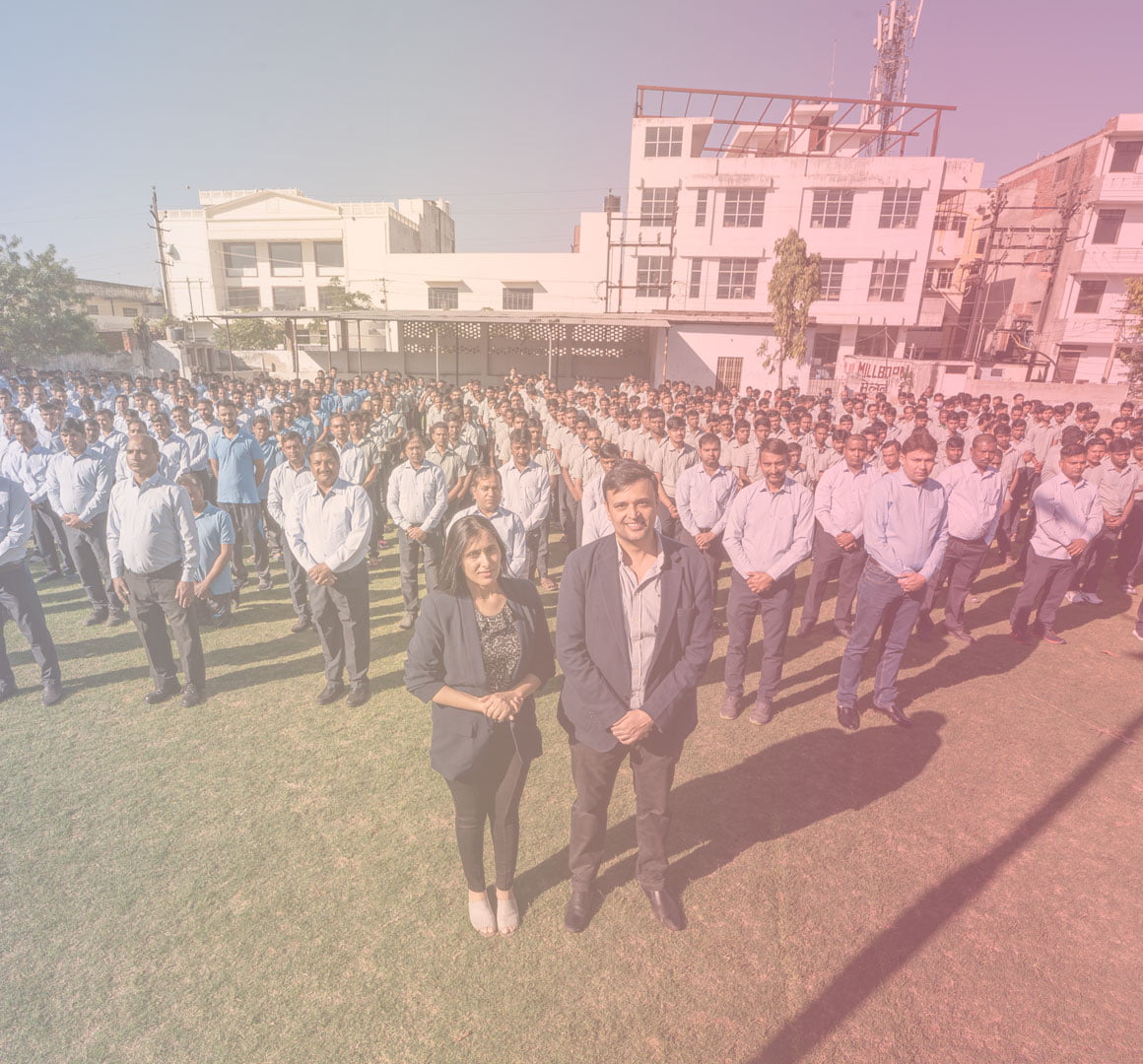
For brands serious about building a demi-fine collection, the answer is not “buy from manufacturers” but “partner with a manufacturer”—the relationship needs to be collaborative, not transactional. The strongest Demi Fine Jewelry Manufacturers operate as design and production partners who help brands translate concepts into manufacturable, scalable collections. Essentials Jewelry exemplifies this model: based in Jaipur, India—a global jewelry manufacturing hub renowned for gemstone work and handcrafted detail—the company has worked with more than 400 designers and brands across 30 countries since 1999, building expertise across demi-fine, made-to-order gold, personalized pieces and fast-fashion launches. The advantage of partnering with an experienced Demi Fine Jewelry Manufacturers US–focused operation like Essentials is access to integrated infrastructure: state-of-the-art German casting plants, laser soldering and marking machines, German plating lines, extensive in-house gemstone manufacturing covering over 200 natural and lab-grown stones, and a team of 850+ skilled craftsmen supported by 40+ CAD professionals. This means brands can develop multi-stone designs, test lab-grown alternatives, refine metal finishes and scale production without coordinating separate suppliers for components, stones and settings. For US brands, the practical way to “buy” demi-fine jewelry from manufacturers is to approach it as a partnership: share your brand vision, provide design references or sketches, request samples that demonstrate plating quality and finishing standards, and verify the manufacturer’s track record with clients whose market positioning matches yours.
Design and Customisation Services Offered by a Demi Fine Jewelry Manufacturer
Design flexibility is where a true Demi Fine Jewelry Manufacturer separates itself from generic production houses. Demi-fine brands live or die on their ability to launch trend-responsive pieces quickly while maintaining a cohesive aesthetic, which demands a manufacturing partner with robust CAD capability and genuine design collaboration. Essentials Jewelry’s 40+ CAD professionals work directly with brands to convert rough sketches, moodboards or Pinterest boards into detailed 3D models, testing stone settings, clasp mechanisms and proportions digitally before any metal is cast—saving time and reducing costly rework cycles. Because the factory also handles extensive in-house gemstone sourcing and cutting, brands can explore colourway variations, mixed-metal designs or lab-grown stone options without waiting for third-party suppliers to deliver components. Essentials supports brands developing exclusive concepts, online labels selling personalized jewelry with 7-day turnarounds, made-to-order gold pieces manufactured in 3–7 working days and Disney-licensed collections that demand exacting artwork and safety compliance—all programs requiring flexible design and engineering systems. For demi-fine brands targeting differentiation through unique silhouettes or signature design elements, partnering with Demi Fine Jewelry Manufacturers who treat design as a collaborative process rather than order-taking is what lets you build collections that feel genuinely yours instead of white-labeled generics.
Sustainability Trends Driving Demand for a Demi Fine Jewelry Manufacturer
Sustainability is no longer optional for demi-fine brands—it is a core purchase motivator, especially for Millennials and Gen Z who dominate demi-fine’s customer base. A credible Demi Fine Jewelry Manufacturer US brands trust will back sustainability claims with hard evidence: certified recycled metals, solar-powered facilities, wastewater recycling systems, structured hazardous-waste management and independently audited workforce standards. Essentials Jewelry operates as a Certified Green Factory with a 120 kW solar panel system generating over 186,782 kWh of clean energy annually, advanced STP/ETP wastewater treatment recycling water within the facility, and a waste-management programme for plating and finishing chemicals. On materials, both silver and gold are sourced as certified recycled and verified by SGS, aligning with the circular-economy shift happening across jewelry. The workforce is certified under Sedex 4-Pillar covering labor practices, health and safety, environmental performance and ethics, and the company holds Responsible Jewellery Council membership alongside ISO certifications for quality, environment, occupational health and safety, and fire-safety engineering. For demi-fine brands, these certifications are not just marketing tools—they are what let you confidently answer customer questions on Instagram, pass retailer vendor questionnaires and differentiate your brand in a crowded market where greenwashing is spotted and punished fast. When evaluating Demi Fine Jewelry Manufacturers, ask for documentation of certifications, request facility photos showing solar installations or treatment systems, and verify whether metals are independently certified as recycled—manufacturers who hesitate or offer vague answers are waving red flags.
Market Growth and Opportunities in Demi-Fine Jewelry Manufacturing
The numbers tell a compelling story: the US demi-fine jewelry market is growing at 11.8% CAGR and expected to reach nearly 1 billion USD by 2030, with North America accounting for roughly 20.8% of global demi-fine revenue in 2024 and positioned to lead globally through the decade. That growth is fueled by several converging trends: rising disposable income among younger consumers, increasing demand for quality pieces at accessible price points, the explosion of e-commerce making demi-fine brands discoverable beyond traditional retail, and a cultural shift toward “affordable luxury” that values craftsmanship and sustainability over pure status signaling. For brands, this means the demi-fine opportunity is real and growing—but so is competition. Success will belong to labels that can launch distinctive collections quickly, maintain consistent quality across scaling volumes and tell credible sustainability stories. That is exactly where partnering with experienced Demi Fine Jewelry Manufacturers US–oriented like Essentials Jewelry becomes strategic: you gain access to proven infrastructure, layered certifications, flexible design support and capacity to handle growth without forcing you to switch manufacturers halfway through your brand’s trajectory. The demi-fine category is no longer emerging—it is arrived, and the brands winning in it are those treating their manufacturing partner as a core growth lever, not just a cost center.